






































































































































































































Featured image by Church of the King on Unsplash
Nobody puts 'survived the Cultural Committee power struggle' on their resume. But maybe they should — because society politics in Indian engineering and medical colleges is a full-time MBA in human psychology, ego management, and strategic networking, all rolled into one chaotic semester.
If you've ever been ghosted after giving your best pitch at a club interview, watched a junior steal your event idea and get credited for it, or spent three hours in a meeting that could've been a 10-line WhatsApp message — this one's for you.
Why Society Politics Hits Different at IITs, NITs, and BITS
These aren't your average college clubs. When you're surrounded by 700+ JEE rank holders or NEET toppers, everyone is competitive, everyone is ambitious, and everyone thinks they're the smartest person in the room.
That energy is electric — until it turns toxic. The stakes feel real because the positions, the fests, the inter-college exposure — they genuinely are resume gold. Knowing how to play the game without becoming a pawn is the actual skill nobody teaches you during orientation.
The Unwritten Hierarchy Nobody Warns You About
Every club has the same invisible org chart, whether it's the coding club at IIT Bombay or the drama society at NIT Trichy.
- The Founding Member: Three batches old, doesn't attend meetings, but has veto power over everything. Treat them like a retired deity.
- The Overworked Secretary: Runs everything, gets no credit, secretly keeps the club alive. Be their ally, not their burden.
- The Hype Person: Big Instagram following, questionable actual output. Useful for reach, unreliable for deadlines.
- The Spy: Sits in every team, feeds information up the chain. They exist in every committee. Assume at least one person in your core team is this person.
- The Ghost Member: Shows up for the fest T-shirt and the LinkedIn post. You know who you are.
Identify where you naturally fit, and then decide where you strategically want to be. These are two different things.
How to Actually Get Into the Club You Want
Stop Auditioning. Start Solving.
Most freshers walk into club interviews trying to impress. The ones who actually get in walk in with a problem they've already half-solved.
- Research the club's last three events. Find one thing that could've been better.
- Don't criticize — pitch the improvement as an idea you're excited to work on.
- Show up knowing the name of the current head. Seems basic. Almost nobody does it.
Clubs don't want performers at interviews. They want people who can reduce their workload. Show them you're that person from day one.
The Two-Club Rule
Join one club that aligns with your passion and one that builds a skill you're missing. Do not join four clubs because of FOMO. You will be mediocre in all of them, burned out by mid-sem, and your CGPA will file a missing person report.
Surviving Internal Society Politics Without Going Paranoid
Here's the uncomfortable truth: politics in college committees isn't avoidable, it's only manageable. Even in the most "chill" clubs at BITS campuses, there are factions, favorites, and silent alliances.
Rules That Actually Work
- Document everything. Shared decisions in meetings? Follow up with a message recap. Not because you're paranoid — because memories are selective when credit is on the line.
- Over-communicate your progress, not your process. Nobody cares about how hard you're working. They care about the output. Give updates on completed tasks, not ongoing struggles.
- Avoid the gossip loop. Every club has one WhatsApp group where people vent about the leadership. Do not be the most active person in that group. Those screenshots have a longer shelf life than you think.
- Build lateral relationships. The people in your batch from other departments who are in other clubs — these connections are worth more than you realize by third year.
- Take the unglamorous tasks sometimes. The person who handled the logistics for Mood Indigo or Techfest while others did the "creative" work often has more respect from the seniors who actually noticed.
When to Walk Away From a Committee
This part nobody tells you: leaving a club at the right time is a power move, not a failure.
If a club is consistently:
- Eating 15+ hours of your week with zero learning curve
- Run by someone whose management style is basically hazing
- Actively affecting your academic performance or mental health
- A space where credit is systematically stolen or redistributed upward
Then staying is not loyalty. It's self-sabotage dressed up as commitment.
Exit gracefully. Finish whatever you're currently responsible for. Give adequate notice. Do not burn bridges publicly. The campus is smaller than you think — the senior who made your life difficult in the tech committee might be interviewing you for an internship referral in two years.
Building Real Influence Without Playing Dirty
The students who actually end up leading the biggest fests, chairing the committees that matter, or getting the coveted inter-IIT or inter-NIT exposure — they're rarely the loudest people in the room.
What Actually Builds Influence
- Reliability above everything. If you say you'll deliver something by Thursday, deliver it by Wednesday. Consistency in low-stakes moments builds trust for high-stakes ones.
- Be the person who reads the room. Know when a meeting is going sideways and gently redirect. This is a skill that takes practice but makes you invaluable.
- Mentor someone younger. The fastest way to be respected in a club is to genuinely help a junior grow. It demonstrates confidence, not competition.
- Show up physically. Sounds obvious. You'd be surprised how many people disappear when the boring groundwork happens and reappear for the event photos.
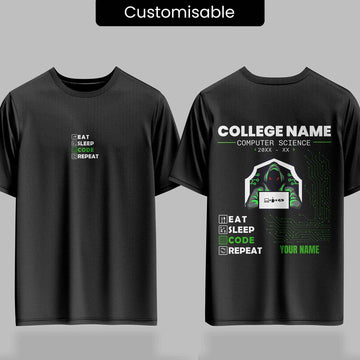
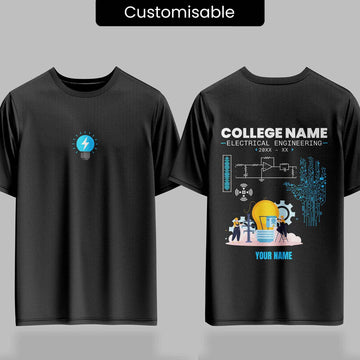
Speaking of showing up — the students who carry their campus identity with them tend to command a certain presence. There's a reason the committee heads at IIT Delhi and IIIT campuses across India rep their campus gear unapologetically. It's part of owning the space you're in. A KS Verse 320GSM heavyweight hoodie with your campus name on it isn't just merch — it's a statement that you belong here and you're not leaving quietly.
The CGPA vs. Clubs Balancing Act
Let's be real. If your CGPA tanks because you spent 60 hours organizing a cultural fest, no club position will save you during placement season.
The golden ratio that actually works for most students:
- Semester with heavy academic load (mid-sems, end-sems approaching): Reduce club hours to maintenance mode — attend key meetings, delegate everything else.
- Lighter academic periods: Go all-in on club initiatives, build your portfolio, take leadership of a project.
- Never let club commitments create academic backlogs. A backlog in third year with placements around the corner is a crisis that no fest success can offset.
The best campus leaders consistently have decent grades. Not necessarily toppers, but never academic disasters. Because it signals that they can manage priorities — which is exactly what companies are hiring for.
How to Use Committee Experience to Actually Win Placements
Here's where the ROI on surviving society politics actually pays out.
- Quantify everything. "Managed sponsorships" is weak. "Secured ₹4.2 lakh in sponsorships for the annual techfest, coordinating with 18 brands" is a resume line.
- Frame leadership roles using the STAR method — Situation, Task, Action, Result — for every HR interview.
- Cross-club experience shows adaptability. Mention it specifically if you've worked across technical and cultural domains.
- The softer skill that interviewers actually value: conflict resolution. If you navigated a messy committee political situation and delivered results anyway, that's a story worth telling.
The committee grind is real. The politics are exhausting. But the students who figure out how to work within broken systems, build genuine alliances, and still deliver — those are the ones who walk out of campus with both the experience and the self-awareness that makes them genuinely hireable.
Wear the journey with some pride. The late nights, the terrible meetings, the moments you almost rage-quit — they're shaping you more than any lecture hall is. Might as well look the part while you're at it. KS Verse's 240GSM oversized campus tees were basically designed for the student who's running on three hours of sleep, has a presentation in four hours, and still somehow has their identity intact. Check out drops for your campus at KS Verse's full campus collection — because if you're going to survive the chaos, you might as well do it in something that actually fits.