































































































































































Featured image by Skytech Aviation on Unsplash
Your College's Placement Cell Isn't Your Only Shot
Here's a truth bomb nobody in your placement prep group will say out loud: the company that visits your campus is not necessarily the company you deserve. And the company that doesn't? Might be your best offer yet.
2026 grads are entering one of the most competitive and chaotic job markets in recent memory. So before you pin all your hopes on Day 1 or Day Zero, let's actually talk about what's real.
On-Campus Placements: The Comfort Zone With Fine Print
On-campus is structured, familiar, and honestly — a bit of a bubble. Here's what it actually looks like:
- Pros: PPOs are real. Big names come to Tier-1 campuses. The process is streamlined and you don't have to cold email anyone.
- Cons: You're competing with 400 people from your own batch for the same 12 slots.
- The hidden cost: Many students accept mediocre packages just because the brand visited campus — and spend two years regretting it.
On-campus is great if the right companies visit your campus. For most NITs and private engineering colleges, that list is... limited.
Off-Campus Placements: Harder, But Often More Rewarding
Off-campus is where the real game happens. It's messier, lonelier, and requires actual initiative — which is exactly why most people avoid it.
- LinkedIn cold outreach to engineers and hiring managers actually works when done right.
- Referrals are 3x more likely to get you an interview than a blind application. Build that network before December.
- Startups and product companies that don't visit campuses often pay better and give you 10x more ownership on Day 1.
- Off-campus hiring cycles run all year — you're not stuck in the October-November crunch window.
The catch? You have to be proactive at 11 PM when your batchmates are watching reels. That's the actual filter.
The CGPA Question Nobody Wants to Answer
On-campus: CGPA matters more. Most placement cells have a 6.5 or 7.0 cutoff just to sit for the test. Some dream companies set it at 8.0.
Off-campus: Projects and skills matter more. A 6.8 CGPA with two solid internships and a deployed side project will beat a 9.0 with nothing to show every single time in a startup or product company interview.
Know which game you're playing, and optimize accordingly.
The 2026 Market Reality: What's Actually Changed
- Mass layoffs in 2023-24 created a backlog of experienced talent — freshers are competing with 1-3 year experienced folks for the same entry-level roles.
- Service companies (you know the names) are hiring in bulk on-campus but bench periods are real and long.
- Product and fintech companies are still hiring but almost exclusively off-campus or through referrals.
- Core engineering roles — PSUs, defence tech, manufacturing — are underrated and hiring well right now.
The 2026 placement season will reward students who didn't put all their eggs in the campus placement basket.
Build Your Dual Strategy Now
Don't choose one over the other. Run both simultaneously, smartly.
- Sit for every on-campus drive you're eligible for — it costs you nothing but time.
- Simultaneously, keep your LinkedIn updated, DSA sharp, and project portfolio live.
- Reach out to alumni at companies you actually want to work at. One warm referral beats 50 cold applications.
- Set a personal deadline: if you don't have an offer by January, go full throttle off-campus.
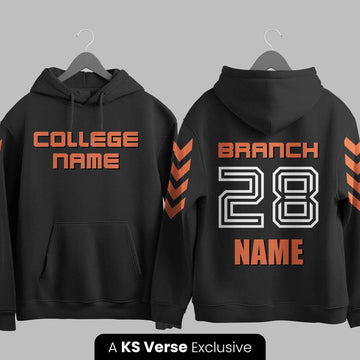
Somewhere between the 3 AM grind sessions — the ones where you're in your KS Verse hoodie, grinding LeetCode while your roommate sleeps — the students who survive this season are the ones who refused to wait for opportunity to walk through the placement cell door.
Final Take
On-campus is a system. Off-campus is a skill. Learn both.
The 2026 job market doesn't care about your college's placement statistics. It cares about what you can actually do. Build that story now, and both doors will open.