





































































































































































































Featured image by AMIT RANJAN on Unsplash
Your CGPA won't go on your startup's pitch deck. But your Twitter thread about building at 2 AM in the hostel room might get you your first 500 users. That's the reality of building in public — and India's engineering campus founders have figured it out faster than most VCs would like to admit.
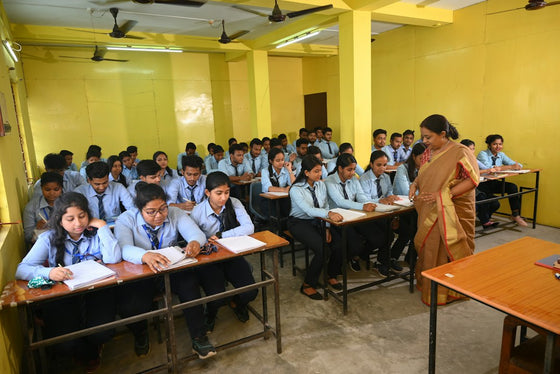
From IIT Bombay dorms to NIT Warangal labs, a generation of student founders is skipping the stealth mode playbook entirely. They're posting half-baked ideas, ugly MVPs, and brutal failure updates — and building cult followings while they're still writing endsem papers.
Here's everything you need to know about how this movement actually works, and how you can do it too.
What Is Building in Public — And Why Campus Founders Are Owning It
Building in public means sharing your startup journey openly: the revenue numbers, the failed pivots, the late-night debugging sessions, and the wins. No filters. No polished PR. Just raw, real progress.
For students, this is a cheat code. You have zero credibility by traditional standards — no prior exits, no industry connections, no funding. But authenticity? That's your unfair advantage. Nobody doubts a 20-year-old posting from their hostel room that they're genuinely grinding.
Twitter (now X) is the platform where this culture lives. The #buildinpublic hashtag has become a genuine community, and Indian student founders are showing up in it hard.
Why Twitter Works So Well for Student Founders in India
Other platforms punish you for not having an audience. Twitter rewards you for having a sharp opinion.
- Discoverability is merit-based: A well-written thread from a zero-follower account can go viral if it delivers value. Your college name helps, but it's not the whole game.
- The founder community is actually engaged: Indian VCs, angels, and senior founders actively scout Twitter for promising students. Zerodha, Razorpay, and several Y Combinator India alumni are in the replies regularly.
- Compounding returns: Every thread you post builds your archive. Six months of consistent posting creates a portfolio that tells your entire founder story without you saying a word.
- It doubles as user research: Post your idea. The replies will tell you more than any design thinking workshop ever could.
The Exact Framework IIT and NIT Founders Are Using
Step 1: Start With a Problem Thread, Not a Product Pitch
Nobody cares about your solution yet. They care about whether you've actually lived the problem. Your first thread should be about the pain, not the product.
Example: A founder from IIT Delhi didn't launch their campus food-ordering app with features. They posted a thread about how ordering from the mess at 11 PM was a dignity-destroying experience. 200 retweets before a single line of code was public.
Step 2: Post Weekly Progress Updates — Even When There's Nothing to Show
The discipline of the weekly update is what separates people who build in public from people who just tweet about building in public.
- What you shipped this week (even if it's just a Figma screen)
- What broke or didn't work
- One thing you learned from a user conversation
- Your current biggest blocker
This format works because it's honest. Showing struggle is more compelling than showing success. People root for the underdog, especially when the underdog is posting from a 6-person hostel room with spotty Wi-Fi.
Step 3: Make Numbers Your Content
Post every milestone publicly. First 10 signups. First rupee earned. First churned user. First investor DM.
Numbers create accountability. When your followers know your MRR, you have 3,000 free accountability partners who will notice if you go quiet. That social pressure is more effective than any productivity app.
Step 4: Build Your Personal Brand Around Your Campus Identity
Here's what most generic building-in-public advice misses: your campus is a core part of your story. Lean into it hard.
Mention your institute. Talk about the specific culture, the professors who believe in you (or don't), the placement pressure you're choosing to opt out of. Campus context makes you relatable to every other engineering student watching your journey — that's a massive built-in audience.
Students from NIT Trichy to BITS Pilani have found that being specific about their campus reality generates more engagement than any growth hack.
What Actually Gets Traction on Twitter: Real Examples
Here's what consistently performs for student founders in the Indian ecosystem:
- The "I left placements for this" thread: Optionality is real in campus culture. When someone visibly chooses the hard path, it resonates deeply.
- The failure post-mortem: "We had 200 users. Now we have 12. Here's what happened." These threads get insane engagement because everyone learns from them.
- The "built this in a weekend" demo: Short screen recordings or GIFs of a working product, shipped under pressure. The internet loves watching things get made fast.
- Hot takes on your industry: You're closer to the problem than most commentators. A spicy, well-reasoned opinion will build your authority faster than safe content ever will.
The One Thing Students Get Wrong About Building in Public
They confuse activity with progress. Posting about ideas, sharing others' content, and writing long threads about "the founder mindset" is not building in public. Building in public means you are actually building something — and sharing that, specifically.
If your Twitter feed doesn't have a product that is evolving visibly over time, you're just doing content creation. Both are valid. But don't confuse them.
How to Protect Your Mental Health While Doing This
This is the part nobody talks about. Radical transparency is energizing until it isn't.
- Set boundaries on what you share. Revenue is fair game. Your mental health breakdown at 3 AM might not be.
- Don't post when you're in a reactive state. Write the thread, save it as a draft, post it tomorrow.
- Separate your identity from your metrics. A bad week doesn't make you a bad founder. Your Twitter followers will think what they think regardless.
- Find 2-3 founders doing the same thing. DM them. Build a private accountability group. The public version is for building an audience — the private version is where you actually survive.
The Aesthetic of the Campus Founder: It's Part of Your Brand
Look, this is real. What you look like in those product demo videos, campus meetup photos, and Twitter profile pictures matters more than people admit.
The most followed student founders have a visual identity that feels intentional. They're not in formal wear. They're not trying to look like a Forbes 30 Under 30 candidate. They look like someone who ships product — sharp, campus-native, unbothered.
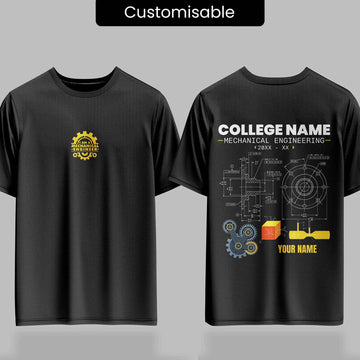
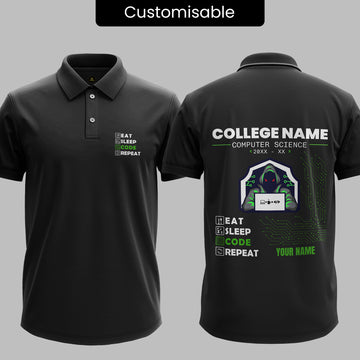
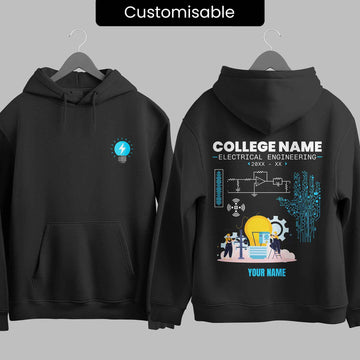
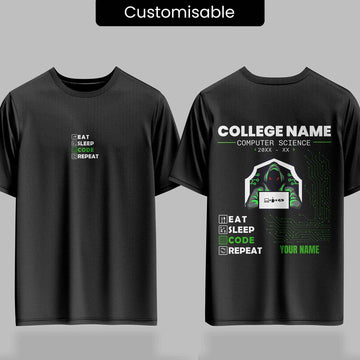
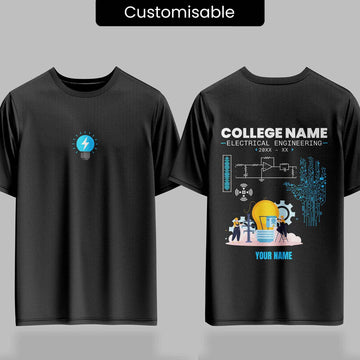
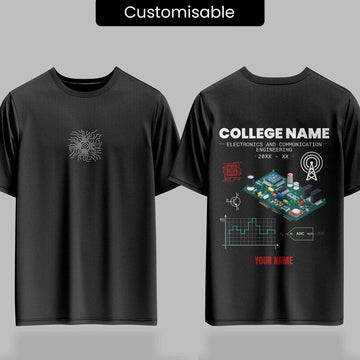
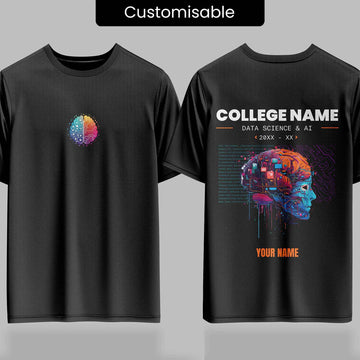
A lot of them are wearing KS Verse 320GSM heavyweight hoodies or the oversized 240GSM tees — not because it's planned, but because the aesthetic just fits the persona. There's a reason the campus drops collection sells out during hackathon season. Founders buy gear that matches how they actually feel about their work.
It's the same instinct as the Batch Nexus customizable merch that founding teams use when they want something that's distinctly theirs — identity built into the fabric, literally.
Getting Your First 1,000 Followers as a Student Founder
Here's the actual playbook, not the theory:
- Follow 50 Indian founders actively posting. Reply with genuine insights, not "great thread!" — in 30 days, several will follow back.
- Post one thread per week for 12 weeks straight. No breaks. The algorithm rewards consistency harder than quality in the early days.
- Tag relevant people when appropriate. Not spammy mentions — genuine references when their work informed yours.
- Cross-post to LinkedIn. The overlap between Twitter builders and LinkedIn decision-makers means you can recycle content and double the surface area.
- Show up at campus startup events and tweet from them live. Real-time content from real events performs significantly better than retrospective posts.
The Bigger Picture: Why This Matters for Indian Campus Culture
Building in public is quietly changing what success looks like on Indian campuses. The scorecard used to be: CGPA, internship, placement package. Full stop.
Now there's a parallel track. And it's visible. When a second-year from IIT Madras posts their SaaS MRR hitting ₹50,000 a month, it gives permission to every other student watching to consider a different path.
That's the real power of building in public — it's not just a growth strategy. It's a culture shift. And it's happening in real time, one thread at a time, from hostel rooms across the country.
Start your thread. Ship something. Post about it. The audience will come.