





































































































































































































Nobody tells you that getting into an NIT is the easy part. The hard part is surviving what comes next — the CGPA anxiety, the 3 AM lab submissions, the placement season panic, and the crushing silence when you feel like you're the only one struggling. Academic pressure at NITs is not a hidden secret. It's a shared trauma that somehow never gets spoken about out loud.
And the mental health infrastructure meant to catch you when you fall? Still embarrassingly broken.
The Real State of Academic Pressure at NITs
Let's not sugarcoat it. NITs are elite institutions. The competition is brutal, the coursework is dense, and the peer comparison never stops. From Day 1 of your first semester, the invisible scoreboard is up — CGPA rankings, branch cutoffs for internal transfers, internship season, and then the final boss: placements.
The average NIT student is juggling:
- 5-6 subjects per semester with near-zero flexibility
- Lab records, assignments, and viva cycles that repeat every week
- Club commitments that feel mandatory for a decent resume
- Internship applications starting as early as second year
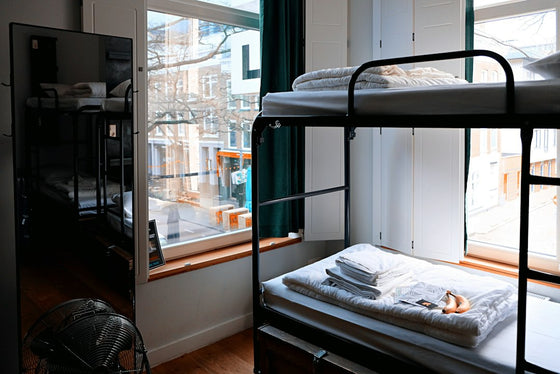
- A hostel room that doubles as your office, bedroom, and mental breakdown zone
This isn't drama. This is Tuesday.
Why the Mental Health System at NITs Is Still Failing Students
Most NITs technically have a counseling cell. Most students have never visited it — not because they don't need it, but because the stigma and the system itself make it inaccessible.
The Stigma Problem
In hostel culture, vulnerability is still seen as weakness. Telling your roommate you're burnt out might get you sympathy for a day, but more often it gets you dismissed. "Sab ke saath hota hai, bro." That line does more damage than people realize.
The Infrastructure Problem
Many NIT counseling centers are understaffed — one or two counselors for thousands of students. Appointment slots are scarce. The process feels clinical and disconnected from actual campus reality. A student mid-crisis on a Wednesday night before mid-sems has nowhere to turn that feels safe, immediate, and non-judgmental.
The Awareness Problem
Most first-year students don't even know what resources exist. Orientation week is a blur of ID cards, mess cards, and ragging-prevention lectures. Mental health resources? An afterthought slide in a PowerPoint no one remembers.
What Academic Burnout Actually Looks Like (Not the Instagram Version)
Burnout isn't always dramatic. It's not always crying in the hostel bathroom. Sometimes it looks like this:
- Sitting through a lecture and retaining exactly nothing
- Scrolling your phone for hours instead of studying, then hating yourself for it
- Losing interest in the club or sport you actually loved in first year
- Telling everyone you're "fine" at dinner while internally running on empty
- Sleeping 10 hours and still feeling exhausted
If three or more of those hit differently, you're not lazy. You're burnt out. And that's a real physiological and psychological state, not a character flaw.
What You Can Actually Do: A No-BS Playbook
Enough diagnosis. Here's what actually works — not motivational poster advice, but real tactics that NIT students have used to stay sane.
1. Build a 'Micro Reset' Routine
You don't need a 5 AM morning routine or a journaling habit. You need small breaks that genuinely disconnect your brain from academic mode.
- A 20-minute walk around campus after dinner — no earphones, no phone
- One meal per day with no studying and actual conversation
- Weekly something that has zero ROI: a game, a show, a random hobby
Micro resets prevent macro collapses. The students who "power through" nonstop are the ones who break down two weeks before end-sems.
2. Stop Performing Okay
This one's uncomfortable. The culture of pretending everything's fine is the single biggest reason students at NITs suffer in silence. Find one person — one — you can be honest with. It doesn't have to be a counselor. A senior, a hostel friend, even a family member. The act of naming what you're feeling out loud breaks its psychological hold on you.
3. Actually Use the Counseling Cell — Or Find Alternatives
Yes, the NIT counseling system is imperfect. Go anyway. A flawed resource is still a resource. If the wait time is too long, explore these:
- iCall (TISS): Free, online, confidential counseling run by mental health professionals
- Vandrevala Foundation Helpline: 1860-2662-345, available 24/7
- YourDOST: Many NITs have institutional tie-ups for free online counseling sessions
- NIMHANS e-Sanjeevani: Free government-backed tele-mental health service
You don't need to be in crisis to access these. Preventive mental health care is a power move, not a last resort.
4. Redesign Your Environment
Your hostel room is where you eat, sleep, study, and spiral. That's a design flaw. Fix it intentionally.
- Designate a specific spot only for studying — not your bed
- Keep your desk clear of everything not related to the task at hand
- Put your phone in a different corner of the room during focus blocks
- Open your window. Light and air are underrated mental health tools
Students who wear their NIT Trichy merch or pull on a heavy hoodie to "enter study mode" aren't being weird — they're using environmental cues to trigger focus. The 320GSM heavyweight hoodies from KS Verse have practically become a campus uniform for late-night grind sessions at NITs across India, partly because they're that comfortable, and partly because they make you feel like you belong to something bigger than one bad exam result.
5. Reframe the CGPA Conversation
Your CGPA is a data point. It is not your identity, your worth, or your destiny. The placement statistics that terrify you are averages across branches, batches, and economic cycles. A 7.2 CGPA student with strong projects and communication skills routinely outperforms a 9.1 CGPA student who can't explain their own resume.
This doesn't mean grades don't matter. It means they don't matter the way anxiety tells you they do at 2 AM.
The Community Piece Nobody Talks About
Academic pressure at NITs often feels isolating because everyone's performing competence simultaneously. The antidote to that isolation isn't therapy alone — it's belonging.
Whether it's your department batch group, a sports team, a technical club, or even just a chaai tapri gang that meets every evening — community is a measurable buffer against burnout. Students who report the highest wellbeing at NITs consistently cite having a tight-knit group over individual academic strategies.
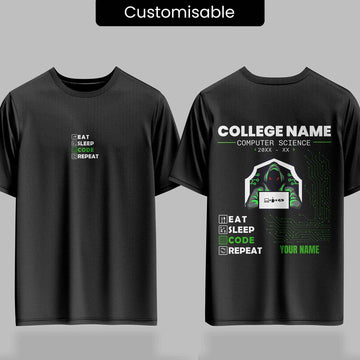
That's also why something as simple as wearing NIT Warangal campus drops or a NIT Rourkela exclusive tee hits differently than regular clothing — it's a visible marker of shared identity. It says "we're in this together" without anyone having to say it out loud. The 240GSM oversized tees from KS Verse's campus collections have become go-to fits for exactly that reason — comfortable enough for a library marathon, sharp enough for a department fest.
And if you want to do something concrete for your batch's collective morale, the Batch Nexus customizable merch program lets your entire department or hostel floor get something that's genuinely yours — not generic college merch, but something that actually represents your batch's identity and story.
A Message to NIT Faculty and Admin Reading This
Students shouldn't have to write blog posts explaining why your counseling systems are failing them. Mandatory mental health orientation in first year, anonymous reporting channels, trained student peer counselors, and reduced stigma campaigns aren't luxury additions — they're basic institutional responsibilities. The conversation needs to move from "we have a counseling cell" to "students actually use it without fear."
You're Not Weak. The System Is Incomplete.
Academic pressure at NITs is structural. It's baked into the culture, the grading system, the placement machine, and the social dynamics of hostel life. Struggling under that pressure doesn't make you weak — it makes you human in an environment that often forgets to treat you like one.
The move isn't to pretend it's fine. The move is to build small, deliberate habits that protect your mind, find your people, use the resources that exist even if they're imperfect, and refuse to let one bad semester define the whole story.
Browse MNIT Jaipur campus drops or check out the full KS Verse campus universe — because wearing your campus with pride is also a quiet act of deciding you belong here, pressure and all.
You got into an NIT. Now figure out how to stay whole while you're there. That's the real challenge worth taking seriously.