



































































































































































































Your batchmate is pulling ₹50K a month from his hostel room while you're stress-eating Maggi before midsems. Starting a campus business at IIT or NIT isn't a side quest anymore — it's the main event for a growing tribe of students who realized placements aren't the only exit door. This is their playbook.
Why Hostel Rooms Are India's Most Underrated Startup Incubators
No rent. No EMI. Food handled (sort of — thanks, mess). Zero dependents. Your risk appetite at 20 is genuinely the highest it will ever be in your life.
The conditions inside an IIT or NIT hostel are weirdly perfect for building something. You have a captive audience of 500–5,000 potential customers within walking distance, a dense network of technically gifted people, and — let's be honest — a lot of free time you're currently wasting on PUBG.
The students who win aren't the ones with the most capital. They're the ones who spotted a real problem on campus and moved first.
Real Campus Business Models That Actually Worked
1. The Print-on-Demand Merch Guy
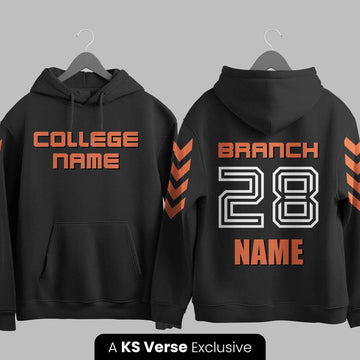
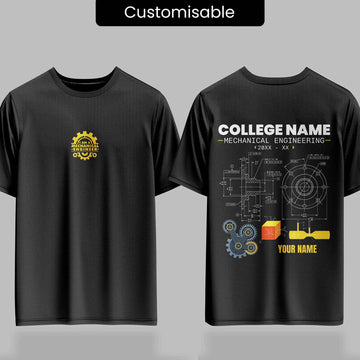
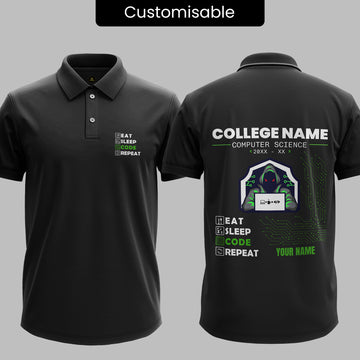
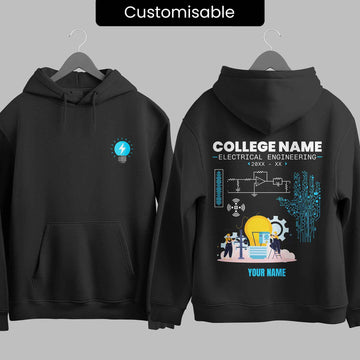
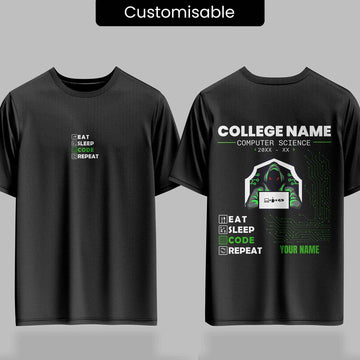
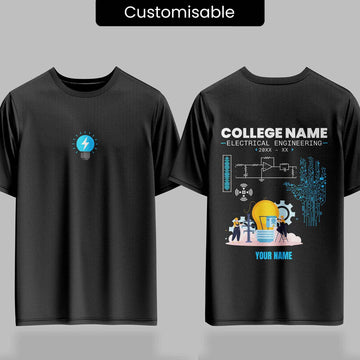
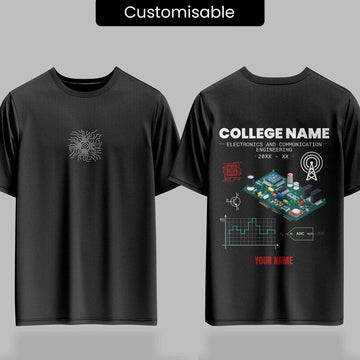
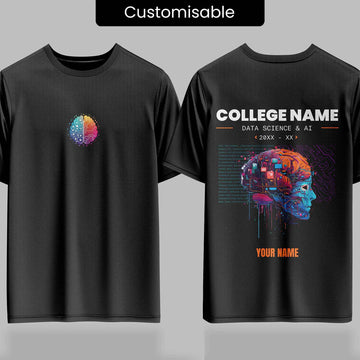
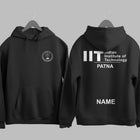
Almost every IIT and NIT has had one — the student who started printing custom hoodies for fests and batch groups, then accidentally scaled it into a real business. The demand was always there. Departments want batch merch. Clubs want identity drops. Fests need limited edition gear.
What separates the ones who scaled from those who didn't? Product quality and repeatability. Students who invested in 320GSM heavyweight hoodies and premium fleece — the kind that actually feels different when you put it on — built word-of-mouth that no Instagram ad could buy.
If you're at NIT Warangal or IIT Bombay, you already know the culture around batch drops and fest merch is massive. That's a market waiting for someone to own it properly.
2. The Tech Service Kid
Web dev, app builds, data scraping, automations — skills you picked up in your first year have real market value outside campus. Plenty of IIT and NIT students started freelancing for local businesses in their college cities, then moved to clients on Upwork, Toptal, or through LinkedIn.
- Starting point: One client, one project, one portfolio piece.
- Scale move: Build a micro-agency with two more batchmates and divide skill sets.
- Where most people quit: After the first rejection email. Don't be that person.
3. The Content Creator Who Went Niche
Not the "5 tips for JEE" guy. The ones who genuinely built audiences focused on campus life, honest placement prep breakdowns, or honest engineering satire. Niche + authenticity + consistency = an audience that actually buys.
YouTube channels, Instagram pages, and newsletters run by IIT and NIT students have crossed monetization thresholds faster than most people expect because the target audience — JEE aspirants and college freshers — is enormous and hungry for real perspectives.
4. The Campus Distribution Play
Some of the cleanest campus businesses aren't about creating a product — they're about owning distribution. One NIT Trichy student built a profitable business simply by becoming the go-to aggregator for everything from stationery to bedsheets during orientation week. New students need stuff. Seniors know where to get it cheap. Margin lives in the middle.
How to Actually Start a Business in Your IIT or NIT Hostel
Enough inspiration. Here's the actual framework.
Step 1: Find the Friction
Walk around your campus for one week and list every single time you hear someone say "yaar, why is there no one doing this here." That list is your business idea backlog.
- What do students order from outside that takes too long?
- What do clubs spend money on that someone could supply locally?
- What skills do your batchmates constantly ask each other for?
- What does your college fest outsource that a student team could own?
Step 2: Validate Before You Build
Don't spend ₹30,000 on inventory before you've sold anything. Pre-sell. Take advance orders. Run a Google Form. If 20 people won't commit to buying before you make it, 200 people won't buy it after.
The merch businesses that failed did so because someone printed 100 hoodies based on vibes, not orders. The ones that worked took batch group pre-orders first.
Step 3: Use Your Network Ruthlessly (But Ethically)
Your seniors are in companies. Your professors have consultancy contacts. Your batchmates have skills you need. The IIT and NIT network is genuinely one of the most valuable assets you'll ever have — start using it in college, not just during placements.
- Cold DM seniors on LinkedIn for advice — most will respond.
- Post in your batch WhatsApp group before you post anywhere else.
- Collaborate with other campus businesses instead of competing.
Step 4: Keep Costs Near Zero in Year One
Your hostel room is free. Your laptop is already paid for. The campus printing lab is subsidized. Most IITs and NITs have entrepreneurship cells with small seed grants or free resources — go claim them before some other student does.
Student chapters of E-Cell, TBI (Technology Business Incubator), and SINE (IIT Bombay) or NIT equivalents exist specifically to fund and mentor student ventures. Use them.
The Identity Problem Nobody Talks About
Here's something real: the hardest part of building a campus business isn't the business itself — it's being taken seriously by people who think you should just focus on your CGPA.
The students who push through that noise are the ones who build something tangible fast. A live website. A real product. A paying customer. Something you can point to that isn't theoretical.
There's a reason campus culture has started to look different over the last few years. Students at IIT Delhi and NIT Trichy aren't just grinding for placement packages anymore — they're building things, wearing things that represent where they come from, and creating micro-communities around their identities. That shift is real and it's accelerating.
What Your Campus Brand Needs to Stand For
If you're building a brand — whether it's merch, a service, or a content play — the students who win long-term have one thing in common: they stand for something specific, not something generic.
This is why campus-identity-led businesses work so well. The emotional connection is already there. A BITS Pilani drop or an IIT Kharagpur merch collection hits different from a random brand because it means something to the person wearing it. That's the kind of brand equity you can't fake and can't buy with paid ads.
When KS Verse drops campus-specific collections — the 240GSM oversized tees, the Campus Legend tier hoodies — it works because it's built on real identity, not manufactured nostalgia. That's the lesson for any student brand: sell belonging, not just a product.
The One Mistake That Kills Campus Businesses
Waiting for the perfect time. Midsems get over, then endsems start, then internship season hits, then placements loom. There is never a perfect semester to start. There is only now or never.
- Start with one SKU, not ten.
- Launch to your hostel floor before you launch to the internet.
- Ship something imperfect and improve it with feedback.
- Revenue is validation. Everything else is theory.
You're Sitting on More Resources Than You Think
An IIT or NIT campus gives you access to smart people, institutional credibility, a built-in audience, free infrastructure, and mentors who genuinely want to help — if you ask. Most students spend four years inside the most resource-rich environment of their lives and never build anything with it.
The ones who do? They don't always have higher CGPAs or better placements. But they graduate with something most people never get — proof that they can create value from scratch. And that, honestly, is worth more than most PPOs.
Start small. Stay consistent. Build something real. Your hostel room might just be the first office of something that outlasts your degree.