





































































































































































































Featured image by Dewang Gupta on Unsplash
Nobody talks about the fact that some of India's most technically gifted musicians are sitting in IIT hostel rooms at 1 AM, running a distortion pedal through a borrowed amp, figuring out a Periphery riff while their roommate stress-eats Maggi before a quiz. The IIT underground music scene is not a footnote — it's a full parallel universe that exists between CGPA panic and placement season, and it deserves its moment.
The Jam Room: Where It Actually Starts
Every IIT has one. Sometimes it's a proper soundproofed room with decent gear. More often, it's a repurposed storage closet with a drum kit that's missing a hi-hat stand and a bass amp that buzzes unless you angle it exactly thirty degrees to the left.
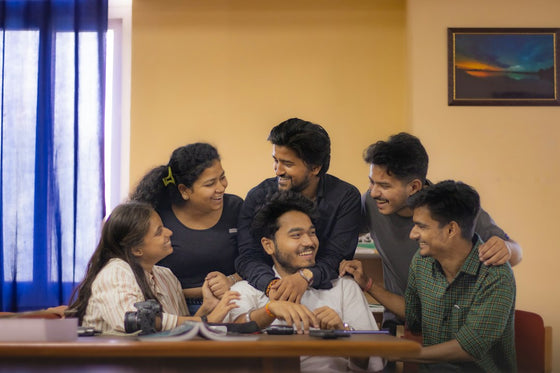
The jam room is sacred ground. It's where first-year students who showed up with acoustic guitars and dreams of covers slowly evolve into people who can actually shred. The informal knowledge transfer that happens here — senior to junior, over chai and chord progressions — is something no music school replicates.
- Most IIT jam rooms are managed by the music club or cultural committee, with a booking system that's technically organized and practically chaotic.
- Gear is communal. Picks go missing. Drum sticks are borrowed and never returned. This is the way.
- The real learning happens in the hour after the official booking ends, when nobody's watching the clock.
IIT Music Clubs: The Unsung Infrastructure
At IIT Bombay, the Music Club runs one of the most active scenes in the country — think genre-spanning, from Hindustani classical to progressive metal, often in the same semester. At IIT Delhi, the Baaja music club has pushed out performances that would genuinely hold up at independent music venues in the city.
These clubs are the connective tissue between raw talent and public performance. They organize intra-hostel competitions, recruit for fest bands, and run workshops that are shockingly high quality for something that costs zero rupees to attend.
- Intra-hostel music competitions are often more cutthroat than inter-college ones. Stakes feel higher when your audience is people you eat breakfast with.
- Club auditions are the first real filter — not everyone who thinks they can play actually can, and the jam room has been merciless about teaching that lesson.
- Cross-genre collaborations are common. The jazz kid and the metal guitarist end up playing together because the club needed a band for Thursday's open mic, and somehow it works.
The Festival Pipeline: How Underground Acts Hit Main Stage
Every IIT fest has a cultural night. And every cultural night has a student band performance slot — usually before the big-name headliner, usually underestimated by the crowd, and usually the moment that actually gets people on their feet before the paid act even sound-checks.
The path from jam room to main stage is not glamorous, but it's real. It typically looks like this:
- Year 1-2: Covers in the jam room, open mics at hostel events, maybe a slot at a smaller inter-hostel competition.
- Year 2-3: Original compositions start emerging. The band finds its sound, changes its name twice, loses a drummer, finds a better one.
- Year 3-4: Audition for the flagship fest — Mood Indigo, Rendezvous, Shaastra, Kshitij, Springfest. Some make it. Some get rejected and come back next year sharper.
- Final year: If you've made it to main stage, that performance is the one people remember you by. No placement package competes with that memory.
Genre Diversity Nobody's Talking About
The lazy assumption is that IIT music = rock covers and maybe some EDM. The reality in 2024 is so much more interesting.
Walk through the music blocks of IIT Madras or IIT Kharagpur during any cultural week and you'll find:
- Carnatic fusion bands who've figured out how to make a mridangam sit in a mix with a seven-string guitar.
- Lo-fi bedroom producers releasing SoundCloud tracks with more plays than most campus acts realize.
- Hindustani classical vocalists who moonlight in death metal bands on weekends. Yes, really.
- Hip-hop acts writing bars about CGPA drops and dorm existential crises — and they actually go hard.
- Ambient and post-rock projects that sound like they belong on a Pitchfork best-of list.
The technical brain of an IIT student applied to music theory is a genuinely dangerous combination. These aren't people who learned music casually — many have years of formal training fused with the obsessive deep-dive culture of an engineering campus.
The Gear Problem (And How They Solve It)
Quality gear is expensive. Scholarships don't cover a good pedalboard. This forces a level of resourcefulness that actually makes better musicians.
- Budget gear gets modded. Students who are literally studying electronics will crack open pedals and rewire them for better tone.
- Software becomes the equalizer. A laptop with Ableton and a decent audio interface can compete with a full analog setup if you know what you're doing.
- Crowdfunding within the hostel for new club gear is more common than the administration knows about.
And when performance day comes, these musicians dress the part. You'll spot them in KS Verse's 240GSM oversized tees or pulling up in a 320GSM heavyweight hoodie — the kind of fit that actually photographs well under stage lighting without looking like you raided a tourist gift shop. The campus drops collection has become a quiet staple for students who want something that represents their campus without the cringe.
Mood Indigo, Rendezvous, Springfest: When Underground Goes Mainstream
The flagship fests are where the underground music scene gets its biggest test. Mood Indigo at IIT Bombay is Asia's largest college cultural festival. Getting a band slot there is legitimately competitive — the selection process involves auditions, demos, and sometimes the kind of political navigating that makes departmental politics look simple.
But the payoff is real. Performing in front of tens of thousands of people, with professional sound and lighting, is the kind of experience that changes how you think about music permanently.
Students who've performed at these festivals describe it the same way: the two minutes before going on stage are the most alive they've felt in four years of engineering.
Beyond IIT: The Wider Campus Music Network
The same energy exists at NITs and BITS, even if the scale differs. The music scene at NIT Warangal during Technozion is genuinely competitive. BITS Pilani's cultural scene produces acts that tour the college circuit long after graduation.
What connects all of it is a shared culture: music made under pressure, in stolen hours, by people who had a thousand other things to do and chose to pick up the guitar anyway.
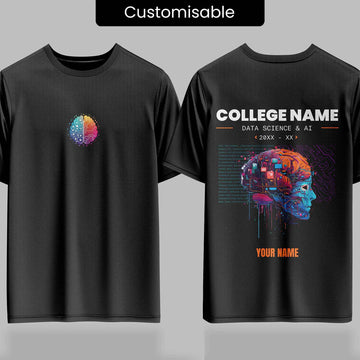
The Batch Nexus customizable merch that bands often order for their final-year farewell shows — custom hoodies with the band name, the campus, the year — tells you everything about how seriously students take this identity. It's not a hobby. It's a chapter.
Why This Scene Deserves More Recognition
India's independent music industry is growing fast. Labels and booking agencies are increasingly scouting college circuits for acts that have already figured out how to build an audience without a budget. The IIT underground music scene is a direct pipeline into that industry — and it's been quietly operating for decades without needing anyone's approval.
- Alumni bands from IIT campuses are currently touring India's independent circuit. Some are signed. Most are building something real on their own terms.
- The discipline required to survive an IIT curriculum translates directly into the work ethic needed to actually make it in music. Practice schedules, setlist planning, sound engineering — it's all project management with better aesthetics.
- The community formed in jam rooms lasts longer than most professional networks. Bands formed in first year still play together at ten-year reunions.
If you're currently in that jam room at midnight, unsure whether any of this is worth it — it is. The main stage doesn't always come in college. Sometimes it comes five years later, in a city you didn't expect, with people you met because of a chord you played at 1 AM in a hostel basement. Keep playing.