







































































































Featured image by AMIT RANJAN on Unsplash
Your batchmate who always seems unbothered about placements? He's not chilling. He's billing ₹80,000 a month from his hostel room while you're refreshing the internship portal. Freelancing for engineering students isn't a side hustle myth anymore — it's the most legitimate income stream on campus, and the gap between those doing it and those sleeping on it is just information.
This is that information.
Why Freelancing Hits Different for Engineering Students
You're already problem-solving for 8 hours a day. Companies will pay real money for that brain. The engineering curriculum, frustrating as it is, hands you skills that the market desperately wants — coding, data analysis, circuit design, technical writing, and more.
You also have something a full-time professional doesn't: low overhead costs. Your rent is subsidized, your mess food costs ₹4,000 a month, and your biggest expense is WiFi (which is free). Every rupee you earn is almost entirely profit. That's an insane competitive advantage most people only get in college.
The Skills That Actually Pay in 2025
Tech Skills (High Ticket, High Demand)
- Web Development: Full-stack, React, Next.js — entry projects start at ₹15,000 and scale fast.
- Machine Learning & Data Science: If you can build a model, businesses will pay ₹30,000–₹1,00,000 per project.
- App Development: Flutter and React Native developers are genuinely scarce. Use that.
- Cybersecurity & Ethical Hacking: Bug bounties alone can net you ₹50,000 in a good month.
- Embedded Systems & IoT: ECE students, this is your lane — startups need hardware devs and barely find them.
Non-Tech Skills (Underrated, Fast Money)
- Technical Content Writing: ₹3–₹8 per word for someone who actually understands the subject. You do.
- UI/UX Design: Figma is learnable in two weeks. Good designers charge ₹20,000 per project easily.
- Video Editing & Motion Graphics: YouTube creators, ed-tech companies, and startups always need this.
- SEO & Digital Marketing: Learn once, sell repeatedly. Retainers of ₹15,000–₹40,000 per month are common.
Where to Actually Find Clients (Not Just Browse)
Most students sign up for Fiverr, get zero orders, and conclude freelancing doesn't work. That's not freelancing failing — that's a distribution problem. The platform you start on matters more than the skill you're selling.
- Upwork: Competitive but high-paying. Write a profile that reads like a human, not a resume. Niche down hard.
- Toptal & Turing: Rigorous vetting, but once in, you're billing international rates. Worth the effort in 3rd or 4th year.
- LinkedIn: Criminally underused by students. Post one insightful post per week about your skill. DM founders directly.
- Local Startups: Your city's startup ecosystem needs cheap-but-competent talent. That's you. Find them on AngelList or LinkedIn.
- College Network: Senior alumni who've founded companies will hire juniors they trust before they post on job boards. Your IIT or NIT network is worth lakhs — use it.
Students from campuses like IIT Delhi or NIT Warangal already carry serious brand equity. Mention your institution in your profile. It opens doors before you even send a proposal.
The Hostel Room Setup That Actually Works
You don't need a studio. You need discipline and a halfway-decent internet connection. The biggest freelancing killer in hostels isn't distraction — it's no structure.
- Block 2–3 hours daily for client work. Treat it like a lab session you can't bunk.
- Invest in a good pair of noise-cancelling earphones. Non-negotiable in a noisy hostel corridor.
- Use Notion or Trello to track deadlines. Missing a client deadline once can cost you the relationship permanently.
- Keep your hostel room background clean for client calls — or use a virtual background. Professionalism is a skill too.
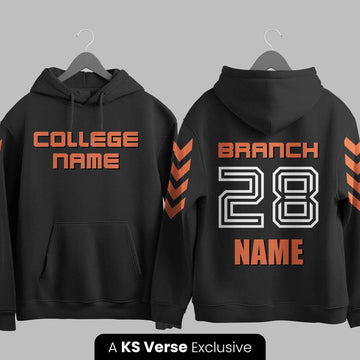
And yes, the aesthetic matters even here. The students pulling consistent freelance income tend to carry themselves differently — whether it's showing up to a campus meetup in a clean KS Verse 320GSM heavyweight hoodie or just having a setup that signals they take their work seriously. It's a mindset thing as much as a look.
How to Price Your Work Without Underselling Yourself
This is where most students crash. They charge ₹500 for work worth ₹5,000 because they're scared. Underpricing doesn't make you more hireable — it makes you seem less credible.
- Research market rates on Upwork before quoting anything.
- Start with value-based pricing, not hourly. A website that helps a business earn ₹10 lakh is worth ₹30,000 to build — not ₹3,000.
- Increase your rate after every 3 completed projects. Non-negotiable rule.
- Never work for "exposure." Your CGPA gives you enough of that already.
Managing Freelance Income With Academics (Without Burning Out)
The fear is real — mess up your grades chasing money, and you lose both. The students who sustain freelancing through college are the ones who treat time-blocking like a religion.
- Semester start = light freelance load. Use this time to find clients, not deliver projects.
- Mid-sem and end-sem weeks = communicate proactively with clients. Most are understanding if you're upfront.
- Summer and winter breaks = go full throttle. Two months of focused freelancing can fund your entire next semester.
- Never take on a project you can't finish. A failed delivery is worse than no delivery.
The IIT Bombay crowd and BITS Pilani students have been running this playbook quietly for years. The difference is they started early — second semester, sometimes first year. The earlier you build a portfolio, the earlier you stop depending on stipends.
Building a Portfolio When You Have Zero Experience
Everyone starts at zero. Here's how to get past it fast:
- Do 2–3 projects for free or heavily discounted — not for strangers, but for your college's tech clubs, startup cells, or a professor's research project. These become your portfolio pieces.
- Build something personal. A side project, a tool, a blog. Shipped > perfect.
- Contribute to open source. GitHub activity is a portfolio that sells itself.
- Document everything on LinkedIn. Show your process, not just the outcome.
Once you have three solid samples, you're no longer a beginner — you're a specialist with proof. That's when the real money starts.
The Six-Figure Roadmap (Realistic, Not Fantasy)
₹1,00,000 a month from college sounds crazy until you break it down:
- Two web development projects at ₹25,000 each = ₹50,000
- One ongoing SEO retainer at ₹20,000/month = ₹20,000
- Technical content writing (10,000 words at ₹3/word) = ₹30,000
That's ₹1,00,000. From a hostel room. While enrolled full-time. It's not easy, but it's arithmetic, not magic.
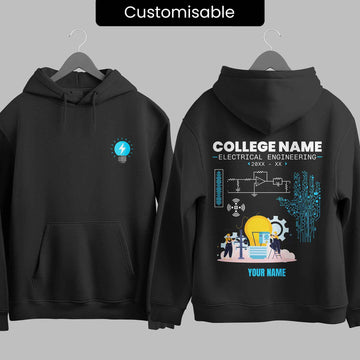
Students building toward this milestone tend to invest back into themselves — upgrading skills, buying better tools, and yes, looking the part. A KS Verse Campus Legend hoodie at a startup networking event hits different than showing up in a worn-out college tee. First impressions compound.
Tax, Invoicing, and the Adulting Part Nobody Tells You
Once you cross ₹2.5 lakh in annual freelance income, you need to file an ITR. Don't panic — it's simpler than it sounds.
- Open a separate bank account for freelance income. Keeps things clean for tax season.
- Use tools like Zoho Invoice or even a simple Excel sheet to track income and expenses.
- If earning in dollars via Paypal or Wise, understand FEMA compliance basics. One Google search, 15 minutes — done.
- Keep receipts for your internet, software subscriptions, and equipment — these are deductible business expenses.
This is also where being on campus helps. Find the one CA student in your college or a helpful econ professor. Buy them chai. They'll save you more than their time costs.
Your First Step Starts This Week
Not next semester. Not after placements. This week. Pick one skill from the list above that aligns with what you're already studying. Spend 10 hours getting slightly better at it. Build one sample project. Put it on GitHub or a Notion portfolio. Send five LinkedIn connection requests to startup founders in your city.
That's week one. That's how it starts.
Students across campuses — from IIITs to VIT — are quietly building income streams that will outlast their first salary. The ones who figured it out early aren't smarter than you. They just started earlier. Now you have no excuse not to.
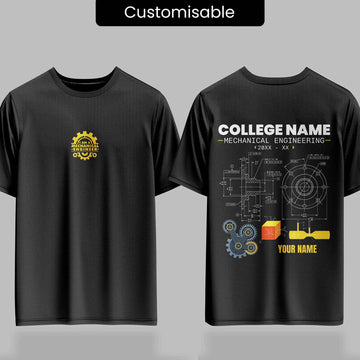
And when you finally land that first big client, celebrate right. Grab a KS Verse 240GSM oversized tee from the campus drops collection — because earning your first ₹10,000 from your hostel room deserves a fit that matches the energy.