





































































































































































































Featured image by Aswin Thomas Bony on Unsplash
Your semester fee is paid. Your allowance just hit. And somehow, by the 20th, you're surviving on maggi and borrowed Wi-Fi. Sound familiar? That's not a spending problem — that's a tracking problem.
Why Engineering Students Are Broke (It's Not What You Think)
It's not the merch drops. It's not even the late-night Zomato orders. The real killer is the invisible spending — the UPI taps you forget the moment you swipe.
Twenty-three rupees here, two hundred there, a spontaneous trip to the campus fest — and suddenly your "carefully planned" budget is a myth. The fix isn't discipline. It's visibility.
5 Expense Tracker Apps That Actually Slap
1. Walnut
Built specifically for India. Walnut auto-reads your SMS alerts and categorizes every transaction without you lifting a finger. It's the closest thing to a finance bro doing your accounting for free.
- Auto-detects UPI, bank, and card spends
- Clean dashboard — no unnecessary complexity
- Monthly spend summaries that will genuinely humble you
2. Money Manager — Expense & Budget
Old school UI, but insanely powerful for students who want full manual control over every rupee. Set category budgets, log entries, and watch your financial chaos turn into a spreadsheet you're actually proud of.
- Custom categories (mess bill, lab fees, late-night food — yes, that's a category)
- Visual pie charts for spending breakdown
- Available offline — useful when your hostel Wi-Fi is in its villain era
3. CRED
You probably have it for rewards. But CRED's expense tracking feature is slept on hard. It pulls your bank statements and gives you a brutally honest picture of where your money actually goes every month.
- Bank account linking for full-picture visibility
- Rewards on bill payments (actual free value)
- Doubles as a credit score tracker — useful before placements
4. Spendee
If aesthetics matter to you — and let's be honest, they do — Spendee is the most visually clean budgeting app on this list. Shared wallets make it perfect for splitting hostel room expenses or group trip budgeting.
- Shared wallet feature for roommates and trip groups
- Recurring expense tracking (subscriptions you forgot you had)
- Currency support — useful during exchange semesters or international trips
5. Google Sheets (No, Seriously)
Hear me out. A simple custom Google Sheet beats every app when you actually commit to it. No ads, no upsells, full control. Build a 5-column tracker — Date, Category, Amount, Mode, Notes — and update it every night before bed.
- Zero cost, zero bloat
- Shareable with yourself across devices
- Brutally forces conscious spending when you have to type every entry manually
The System That Makes Any App Work
The app is 20% of the solution. Your system is the other 80%. Here's what actually works:
- Set a hard monthly limit on three categories: food, subscriptions, and impulse buys
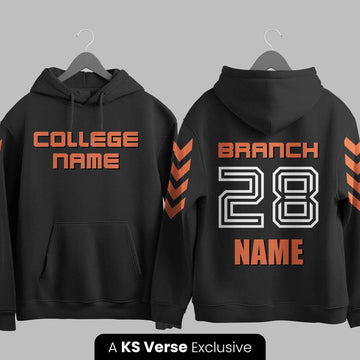
- Do a 5-minute weekly review — Sunday nights, sitting in your hoodie (the KS Verse Nexus Drop one hits different at midnight), just you and your spending history
- Create a "guilt-free" fund — 10% of your allowance, no tracking, no judgment. Protect your sanity.
- Automate your savings first — move a fixed amount to a separate account on day one, before you spend a single rupee
The Bottom Line
You don't need to earn more — you need to see more. Any one of these apps, used consistently for 30 days, will completely change your relationship with money before placements even begin.
Start ugly. Start with just logging three transactions today. The habit compounds faster than your CGPA points.