




































































































Featured image by Debashis RC Biswas on Unsplash
Every January, IIT Bombay turns into a city within a city. 150,000 visitors. A-list performers. Production setups that rival stadium concerts. And somehow, a bunch of sleep-deprived undergrads made it all happen. The IIT fest budget story is one of the most underrated business case studies in Indian higher education — and nobody's talking about it seriously enough.
Let's fix that.
What Are We Actually Talking About? The Scale of IIT Fest Budgets
Mood Indigo, Asia's largest college cultural festival hosted by IIT Bombay, reportedly operates on a budget north of ₹10–12 crore annually. Shaastra, IIT Madras's technical fest, pulls in somewhere between ₹5–8 crore. Thomso at IIT Roorkee, Kshitij at IIT Kharagpur — all running multi-crore operations managed almost entirely by students.
No professional event agency. No adult supervision in the traditional sense. Just second and third-year students cold-calling Fortune 500 companies and actually closing deals.
That is genuinely insane if you stop to think about it.
The Sponsorship Machine: How IIT Fests Actually Make Money
\p>The core revenue engine is corporate sponsorship, and IIT students have turned pitching into an art form. The process starts almost eight months before the fest goes live.Tiered Sponsorship Structures
Every major fest runs a tiered system that mirrors what you'd see in professional sports or music festivals:
- Title Sponsors: Get their name attached to the fest itself or the main stage. Think ₹1–3 crore range for top slots at Mood Indigo.
- Co-Presenting Sponsors: Branding across digital, physical, and event collateral. ₹50 lakh to ₹1.5 crore bracket.
- Category Sponsors: Own a specific vertical — the gaming arena, the food court, the celebrity appearance. ₹10–50 lakh range.
- Barter/In-Kind Sponsors: Companies that provide products, tech, or services in exchange for visibility. This is how fests get free energy drinks, tech equipment, and logistics support.
The pitch decks these students create are not PowerPoints thrown together the night before a deadline. They're 40-page documents with footfall data, demographic breakdowns, media reach analytics, and ROI projections — built specifically to speak a CMO's language.
The Ticket Revenue Play: More Than You Think
External registrations and ticket sales are a significant secondary revenue stream that often gets overlooked when people talk about IIT fest budgets.
- Pro show tickets (celebrity performances) at Mood Indigo can go from ₹500 to ₹2,500+ per head depending on the artist.
- Workshop and masterclass registrations — often ₹200 to ₹800 per session — add up fast when you have 500 seats per batch.
- Competition registrations from teams outside IIT bring in smaller but consistent revenue across technical and cultural events.
- Stall rentals for food vendors, brand activations, and merchandise sellers inside the campus.
At 150,000 footfall, even a conservative average of ₹100 per visitor interaction across all paid touchpoints is a ₹1.5 crore contribution. The math works.
The Media and Digital Play: How Modern Fests Monetize Attention
This is where things get interesting. Mood Indigo figured out early that digital reach is a currency that converts directly to sponsor value.
Social media handles for these fests have followings in the hundreds of thousands. YouTube livestreams of pro shows pull millions of views. The data from these properties is used in sponsorship pitches as proof of audience scale — and it works.
Some fests have also started monetizing through:
- Branded content deals with D2C brands targeting Gen-Z
- Instagram collaboration posts with sponsors baked into organic-looking content
- App-based gamification sponsored by fintech and ed-tech companies
- Official merchandise drops — which, for the record, is something students at IIT Bombay and IIT Madras now take seriously as a cultural identity marker, not just a souvenir.
The Human Capital Nobody Accounts For
Here's the part that doesn't show up in any budget spreadsheet: the thousands of volunteer hours that make these fests operationally possible.
Mood Indigo runs on a core team of roughly 400–500 students across departments — logistics, sponsorship, design, PR, technical, hospitality, and more. Shaastra is similarly structured. If you were to price this labour at even minimum market rates, you'd add several crores to the "real" cost of running these events.
The fest org structure functions like a startup. There's a General Secretary at the top, vertical heads who operate like department VPs, and execution teams that report up the chain. Students who crack the core team at Mood Indigo or Shaastra often cite it as more valuable career experience than most internships.
What Does the Money Actually Get Spent On?
People assume it's all performer fees. It's not. Here's a realistic breakdown of where a ₹10 crore IIT fest budget actually goes:
- Artist/performer fees: 35–45% of total budget. An A-list Bollywood act can command ₹1.5–3 crore per night. International EDM artists are even pricier.
- Infrastructure and production: 20–25%. Stage setup, sound systems, lighting rigs, LED screens — this gets expensive fast.
- Hospitality and logistics: 10–15%. Guest travel, accommodation, green rooms, on-ground transport.
- Marketing and PR: 8–12%. Digital ads, influencer outreach, design production, press.
- Security and crowd management: 5–8%. Non-negotiable for an event at this scale.
- Contingency and miscellaneous: 5–7%. Because something always goes wrong.
Why Sponsors Actually Say Yes to College Kids
This is the smartest part of the whole operation. IIT fests offer something most professional agencies can't: authentic, high-trust access to India's most sought-after demographic.
The students attending Mood Indigo or Shaastra are the same people companies will spend lakhs to recruit in two years. They're early adopters. They influence peers. They have disposable income (or soon will). And they're deeply skeptical of traditional advertising.
A brand that shows up genuinely at a college fest — not just as a banner but as an interactive experience — gets remembered. That's worth real money to a CMO thinking about brand equity with Gen-Z.
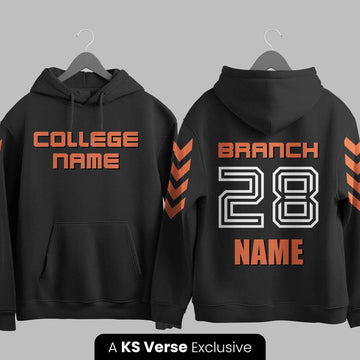
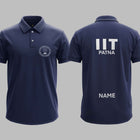
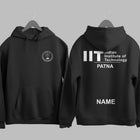
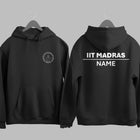
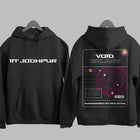
Students at these fests also wear their campus identity loudly. Walk through Mood Indigo and you'll spot everything from vintage tees to IIT Kharagpur and IIT Kanpur exclusive drops — the kind of heavyweight campus pieces that actually hold up through four days of outdoor events. KS Verse's 320GSM Campus Legend hoodies have been showing up at fest grounds specifically because they're built for this — cold nights, long queues, and the kind of pride you want to wear on your back.
The Lessons Other Campuses Are Taking Notes On
NITs and other campuses have been watching and learning. Fests like Technozion at NIT Warangal and Pragyan at NIT Trichy have been scaling their own sponsorship operations using the IIT playbook — tiered packages, professional pitch decks, alumni networks for warm introductions.
The gap is closing. And the culture of taking your campus seriously — as a brand, as an identity, as something worth building — is spreading fast.
The Bigger Picture: What This Actually Proves
The IIT fest budget story isn't just about event management. It's a proof of concept for what happens when you give smart, motivated people real stakes and real responsibility.
A 20-year-old closing a ₹50 lakh sponsorship deal has learned more about business development in one semester than most MBA programs teach in a year.
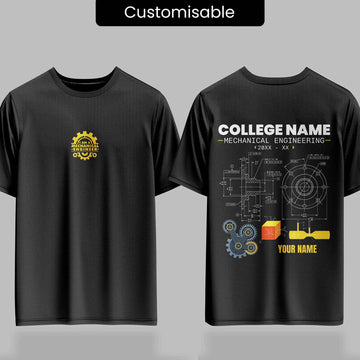
The fest season also does something less tangible but equally important: it builds campus identity. The student who wore a Mood Indigo volunteer tee in 2018 still talks about it at work in 2024. That's not nostalgia — that's brand loyalty at its most organic. It's the same energy behind why campus merch, from BITS drops to 240GSM oversized tees representing your batch, has gone from afterthought to actual cultural statement.
Your campus built something remarkable. Wear it like you mean it.