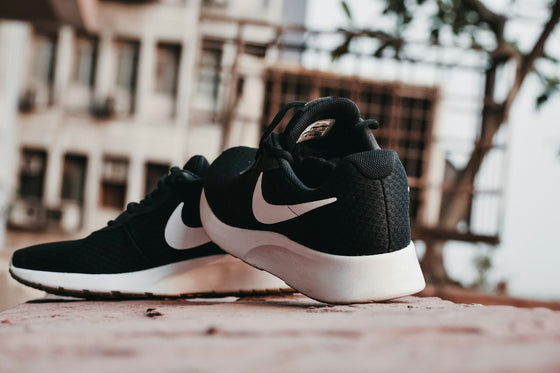







































































































































































































Featured image by Shantanu Goyal on Unsplash
Delhi weather doesn't negotiate. One morning it's 38°C and humid enough to make you question your life choices, and by 7 PM you're on your scooter shivering through a surprise drizzle. If you're a student living in Delhi — whether at IIT Delhi, Jamia, DTU, or any campus in the NCR belt — you already know that dressing for Delhi's monsoon-to-autumn transition is basically an unsolved optimization problem. And no, wearing the same sweat-soaked tee for every occasion is not the answer your CGPA deserves.
Why Delhi's Monsoon-to-Autumn Transition Is a Styling Nightmare
Let's be brutally honest. September and October in Delhi are meteorological chaos. The monsoon doesn't leave gracefully — it ghosts you slowly. You get random heavy showers in week one, sudden dry spells in week two, and then a random cold snap that hits right when you've packed your hoodie at the bottom of your hostel almirah.
The temperature swings between 24°C and 36°C within the same week. Humidity lingers well into October. Dust storms make surprise appearances. Your morning 9 AM class outfit is completely wrong for the 6 PM mess queue. This is exactly why layering — done intelligently — is the only campus fashion strategy that actually works here.
The Core Principle: Build Outfits, Not Just Looks
Layering isn't about piling on clothes until you look like a badly assembled sandwich. It's about building an outfit that can adapt — pieces you can add or strip off without losing the overall fit. Think of it as modular dressing, the same way you'd think of a modular codebase: every layer has a function, and none of them break the system when removed.
The 3-Layer Framework for Delhi Campus Life
- Base Layer: Your skin-contact piece. Should breathe, absorb sweat, and look presentable on its own when you inevitably strip down. A 240GSM oversized tee does this job perfectly — heavy enough to have structure, breathable enough for humid afternoons.
- Mid Layer: Your insulation and style piece. An open flannel shirt, a lightweight bomber, or a zip-up hoodie. This is the layer you're pulling off in lecture halls and throwing back on when the AC gets aggressive.
- Outer Layer (Optional, October Onwards): A hoodie or a structured jacket for evenings and early mornings. By late October, Delhi mornings can drop to 18°C without warning.
Fabric First: What Actually Works in Delhi's Humidity
The worst mistake students make is buying layering pieces that don't breathe. A thick fleece hoodie in September in Delhi is a punishment, not a fit. Your layers need to earn their place by doing two jobs at once: looking good and not turning you into a walking sauna.
Fabrics That Survive Delhi Monsoon-to-Autumn
- Cotton-rich tees (240GSM+): Heavier cotton holds structure in humidity better than thin tees that cling and wrinkle. Structure is non-negotiable when you're going from lab to canteen to LinkedIn networking event in the same day.
- Fleece-lined hoodies for October onwards: Once the monsoon fully exits in late October, a 320GSM heavyweight hoodie becomes your best campus investment. It's the kind of piece that doesn't thin out after 40 washes — which matters when hostel laundry is aggressive.
- Avoid synthetics in September: Polyester traps heat and smell. In humid post-monsoon conditions, you'll regret it by your second hour of classes.
If you're an IIT Delhi student commuting between Hauz Khas and campus, you know the temperature difference between the metro AC and the outside world alone justifies having a packable mid-layer on you at all times.
The Actual Layering Combos That Work on Campus
Combo 1: The September Standard (Hot + Humid)
- Oversized 240GSM campus tee as the base — printed or solid, your call.
- An open, short-sleeve overshirt or unbuttoned flannel worn loose. Easy to tie at the waist if it gets too warm.
- Cargo pants or relaxed joggers. Avoid denim in September — it holds heat and dries slowly if you get caught in a shower.
- Slip-on shoes or chunky sneakers. Nothing with suede — Delhi September rain will destroy it.
Combo 2: The October Transition (Mornings Cold, Afternoons Warm)
- Base tee tucked or half-tucked for a cleaner silhouette.
- Zip-up hoodie as mid-layer — zip down when it heats up, zip up when the 6 AM class starts and the world is still cold and dark.
- Wide-leg trousers or relaxed denims. October is finally safe for denim.
- Chunky sneakers or clean white shoes. The dust hasn't gone anywhere, so stay away from anything you can't wipe down.
Combo 3: The Late October-November Entry (When Delhi Decides It's Actually Autumn)
- Heavyweight hoodie as the statement outer layer. This is where a Campus Legend tier hoodie earns its price — the structure holds, the weight feels intentional, and it doesn't look like your dad's old gym piece.
- Graphic tee underneath — visible at the collar and hem for that intentional layered detail.
- Dark slim or relaxed jeans.
- Boots or high-top sneakers.
Students at NIT Delhi and other NCR campuses deal with this exact seasonal whiplash every year. The ones who look consistently put-together aren't spending more — they're just building smarter, more versatile wardrobes.
The Campus Merch Angle: Why Your College Identity Layers Well
Here's the thing nobody says out loud: wearing your campus merch as the base layer in a layered outfit actually works better than wearing it as a standalone piece. A clean campus tee peeking out under an open jacket or flannel reads more intentional than the same tee worn alone with whatever shorts came out of the laundry.
KS Verse's Batch Nexus customizable merch is built exactly for this — the fits are oversized enough to layer without bunching, and the GSM is heavy enough that the print doesn't crack or fade into irrelevance after one semester. Whether you're repping your batch, your department, or your hostel, it functions as a style piece, not just a souvenir.
Check out what's available for your campus at the KS Verse all campus drops — the layering pieces and graphic tees that actually fit the lifestyle.
Common Layering Mistakes Delhi Students Make
- Wearing too many thick layers in September: You will not make it to your 8 AM class without sweating through everything. Keep September layers thin and breathable.
- Ignoring the morning-evening temperature gap: Delhi in October can be 32°C at noon and 19°C at 9 PM. Always carry a mid-layer in your bag — a zip-up hoodie rolls small enough to fit.
- Buying layering pieces in wrong sizes: Layering works with relaxed or oversized fits. If your base tee is skin-tight and your hoodie is fitted, you physically cannot layer them without looking like you've outgrown your clothes.
- Forgetting footwear in the rain calculation: Your outfit is only as weatherproof as your shoes. White mesh sneakers in a September downpour is a loss you're not recovering from.
- Matching everything too deliberately: Layering looks best when there's slight contrast — different textures, a tonal colour palette, or a deliberate clash between pieces. Matching your hoodie and tee exactly reads as an accident, not a choice.
For those at BITS campuses or IIIT campuses across North India, the same seasonal rules apply with minor regional variation — but the layering framework holds everywhere from Pilani's dry desert chill to Hyderabad's lingering humidity.
Building a 5-Piece Delhi Layering Wardrobe on a Hostel Budget
You don't need 30 pieces. You need 5 that actually work together.
- 2 oversized heavyweight tees (one neutral, one graphic/campus print)
- 1 quality flannel or overshirt in a versatile colour (olive, burgundy, navy)
- 1 zip-up hoodie for the transition weeks
- 1 heavyweight hoodie for October onwards — invest here, buy once
That's it. Rotate combinations, change bottoms, switch shoes. Versatility beats volume every time, especially when your wardrobe is a 3x3 foot hostel almirah.
The Bottom Line on Delhi Monsoon-to-Autumn Layering
Delhi's weather between August and November is a test of preparation, not willpower. The students who navigate it with their style intact are the ones who stopped fighting the climate and started dressing around it. Layering for Delhi's monsoon-to-autumn weather isn't a fashion flex — it's practical intelligence applied to what you wear every day.
Build your base, invest in quality mid-layers, keep a heavyweight piece ready for when Delhi finally commits to being cold, and let your campus identity show through the details. That's how you walk into every situation — lab, canteen, society meet, or impromptu seniors' hangout — looking like you had it planned all along.