




















































































































































Featured image by Church of the King on Unsplash
Your CGPA is not your personality. Recruiters at top product companies, VC-backed startups, and research labs are not just scanning your grade sheet — they are Googling your name before they even open your resume. Building a personal brand as an IIT or NIT student is no longer optional; it is the actual game. And most of your batchmates have not figured this out yet.
That gap? That is your window.
Why Personal Branding Hits Different in Engineering Colleges
Engineering campuses are brutally competitive in a very narrow way. Everyone is chasing the same internships, the same five companies, the same shortlist criteria. Personal branding breaks you out of that funnel entirely.
When you have a recognizable presence — a niche, a body of work, a reputation — opportunities start finding you instead of the other way around. Founders DM you. Professors pull you into research. Recruiters reach out before placement season even opens.
- Signal over noise: Hundreds of resumes look identical. Your brand is what makes yours land differently.
- Compound interest: A LinkedIn post you write in second year still drives profile visits in final year.
- Beyond placements: Freelance clients, startup co-founders, podcast invites — your brand opens doors CGPA cannot.
Step 1 — Pick Your Niche Before You Pick Your Internship
The biggest mistake students make is trying to be everything. Full-stack developer + ML enthusiast + finance bro + competitive programmer. That is not a brand. That is a confused resume.
Pick one lane, go deep for 90 days, then let it compound. You can always expand later.
High-signal niches that work in 2026
- AI/ML applied to a specific domain — healthcare, supply chain, edtech
- Open-source contributor with a documented paper trail on GitHub
- Technical writing — breaking down hard concepts for engineers
- Startup operator — building in public while running a college-level venture
- Design engineering — the overlap between product design and tech
- Research — even undergraduate research published on arXiv builds serious authority
Your niche does not have to be groundbreaking. It has to be specific, consistent, and authentically yours.
Step 2 — LinkedIn Is Your New CGPA (Treat It That Way)
If your LinkedIn still says "Student at [College] | Passionate about technology," you are invisible. That bio is not helping anyone find you, and it is definitely not making anyone reach out.
Rewrite your headline to lead with what you do, not what you are. Instead of "CSE Student at IIT Roorkee," try "Building AI tools for campus hiring | Open source | IIT Roorkee."
The 3-post-per-week system that actually works
- Monday — Learning post: One thing you learned this week in your domain. Keep it under 150 words.
- Wednesday — Project post: What you built, broke, or shipped. Show your process, not just the output.
- Friday — Opinion post: A hot take on something in your niche. Contrarian opinions get 3x the engagement.
Consistency over virality. The algorithm rewards people who show up every week, not the ones who post once after getting a big internship and then vanish.
Step 3 — Your Campus Presence Is a Brand Asset Too
Here is something no LinkedIn guru will tell you: your offline presence on campus matters enormously for your online brand. The people you meet at tech fests, open-mic nights, or your hostel common room become your first audience, your first collaborators, your first amplifiers.
How you show up physically — in club presentations, in hackathons, in casual hallway conversations — shapes the reputation that eventually flows into your digital footprint.
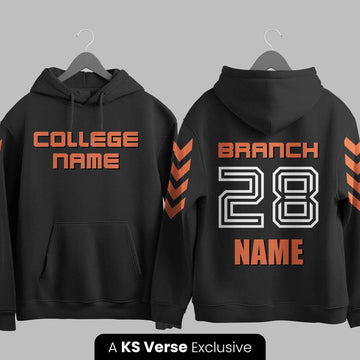
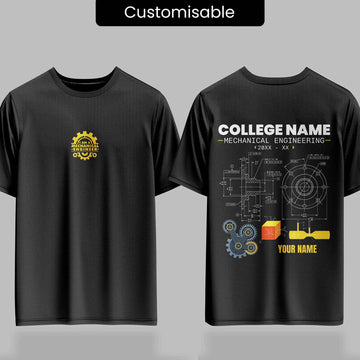
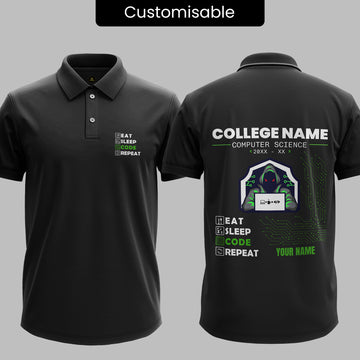
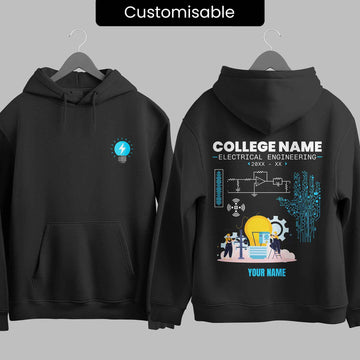
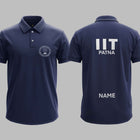
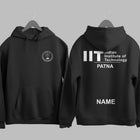
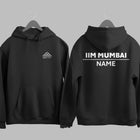
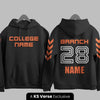
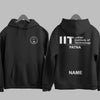
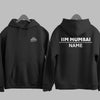
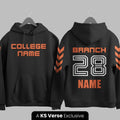
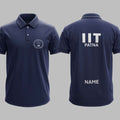
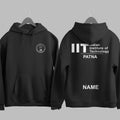
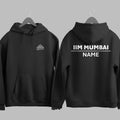
Students who wear campus identity with confidence tend to command attention in rooms. That is not shallow. That is just how humans signal belonging and pride. A well-worn 320GSM heavyweight hoodie from KS Verse's IIT Roorkee drop is not just merch — it is a conversation starter, a tribe signal, a walking testament that you take your institution seriously.
Step 4 — Build a Portfolio That Lives on the Internet
Your projects should not be rotting on your local machine. Every project you build needs a public home — GitHub, a personal site, Devpost, or a dedicated LinkedIn post series.
What a strong student portfolio includes in 2026
- 3-4 projects with clear problem statements, your approach, and actual outcomes
- A README that a non-technical person can understand in 60 seconds
- At least one project with real users — even 50 users is infinitely better than zero
- A short write-up or blog post explaining why you built it
- Live demos wherever possible — deployed links beat screenshots every time
If you are at NIT Warangal or NIT Trichy and building something in hardware, embedded systems, or core engineering — document that process obsessively. The engineering build-log is deeply underrated content. Students at NIT Warangal and NIT Trichy have some of the sharpest technical talent in the country — the ones who document it become the ones who get noticed.
Step 5 — Collaborate Before You Compete
The lone genius who codes in isolation and somehow lands a FAANG offer? Mostly a myth. The students who build personal brands fastest are the ones who collaborate visibly and generously.
- Co-author a blog post with someone from a different IIT or NIT
- Contribute to another student's open-source project and document it
- Guest on a student podcast or YouTube channel in your domain
- Run a free workshop for your juniors and post the recording
Every collaboration exposes you to a new audience without you having to start from scratch. This is how compounding works in the brand game.
Step 6 — Make Your Identity Tangible
Personal brand is partly digital and partly physical. The way you dress at hackathons, tech talks, and campus events communicates something before you even open your mouth.
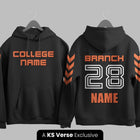
This is not about dressing up. It is about dressing with intention. Students who rep their campus identity unapologetically tend to own rooms differently. There is a reason the KS Verse campus drops sell out — students want gear that reflects where they are from and where they are going, not generic fast fashion that could belong to anyone.
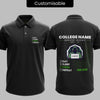
Whether it is the Batch Nexus customizable drop for your graduating cohort or a clean 240GSM oversized tee you wear to your hackathon pitch — your aesthetic is part of your brand story. Do not neglect it.
The Mindset Shift That Changes Everything
Most IIT and NIT students think personal branding is something you do after you have achieved something worth talking about. That is backwards. Building in public is how you achieve things worth talking about.
Document the journey, not just the destination. Post the failed experiment. Share the rejected application and what you learned. Talk about the mid-sem crisis and how you pushed through. Authenticity is the one thing AI cannot replicate — and it is also the thing that makes audiences trust you.
Your 30-Day Personal Brand Sprint — Start This Weekend
- Day 1-3: Rewrite your LinkedIn headline and about section with your niche front and center
- Day 4-7: Post your first learning post — one thing you genuinely explored this week
- Day 8-14: Pick one project, write a proper README, deploy it, and post the link
- Day 15-21: Reach out to three people in your niche — no pitch, just a genuine question or compliment
- Day 22-30: Write one opinion piece on something you genuinely believe about your field that most people get wrong
That is 30 days. One month from now, you will have more digital presence than 90% of your batch. And the compounding starts the day you post, not the day you feel ready.
Final Word: The Best Time to Start Was Semester One
The second best time is right now, even if you are already staring down your final year placements. A personal brand built in 90 days of focused effort beats four years of hoping your CGPA does the talking.
Wear your campus identity proudly — online and offline. Build publicly. Collaborate generously. Pick your niche and go deep. The students who do this are not just getting better job offers; they are writing their own playbooks entirely.
Your brand is the one asset that cannot be poached in a placement shortlist cutoff. Start building it today.