





































































































































































































Featured image by Church of the King on Unsplash
Your scholarship covers the mess bill. Barely. Your parents think you're studying. You're not. And somewhere between your third failed DSA assignment and a 3 AM hostel corridor conversation, someone dropped the idea — "bhai, we should start something."
Most engineering students want to earn. Very few actually do. Not because they lack skills — you're literally learning to build things that reshape industries — but because nobody tells them where to actually start. This post does exactly that.
Here are the side hustles for engineering students that are genuinely working right now, ranked by how beginner-friendly they are and how much time they'll steal from your already chaotic schedule.
Why Most "Hustle" Advice for College Students Is Garbage
Drop shipping stores. NFT projects. YouTube channels with zero views after six months. The internet is full of side hustle advice written by people who've never lived in a hostel or pulled an all-nighter before a mid-sem.
Real campus income needs three things: low startup cost, flexible timing, and skills you can build while you're already in college. Everything on this list checks all three boxes.
1. Freelancing — The Most Underused Superpower at IITs and NITs
You know what companies pay lakhs for? The exact things your professors are making you do for free in assignments.
Web development, data analysis, Python scripting, CAD design, UI/UX — these are sellable skills. Right now. Not after placement. Now.
Where to Start Freelancing as a Student
- Fiverr and Toptal — Start with a ₹500–₹1000 gig. Build reviews. Scale up.
- Internshala Freelance — India-specific, easier for first clients, great for beginners.
- LinkedIn — Cold DM startup founders. Be direct. Offer a small free trial to prove your skill.
- College seniors' network — The most underrated referral pipeline in existence.
A second-year CSE student at IIT Bombay doing basic React projects on weekends can realistically pull ₹8,000–₹20,000 a month within three months of starting. That's not theory — that's happening in hostels right now.
2. Content Creation — But Not the Kind You Think
Nobody needs another vlog of hostel food. But technical content? Educational content? Campus-specific content? That's a different game entirely.
Engineering students who can explain complex topics simply are sitting on a goldmine. Think:
- Short-form YouTube or Instagram Reels explaining DSA concepts, GATE prep, or placement tips
- Notion templates for study schedules — sold on Gumroad for ₹99–₹499 each
- LinkedIn posts about your internship experience (this one compounds over time, trust)
- Campus review blogs that rank on Google and earn via AdSense or affiliate links
The trick is niche down to your campus reality. A student at NIT Warangal making content specifically for NIT students gets way more traction than someone making generic engineering content.
3. Tutoring — Old School, But Prints Money
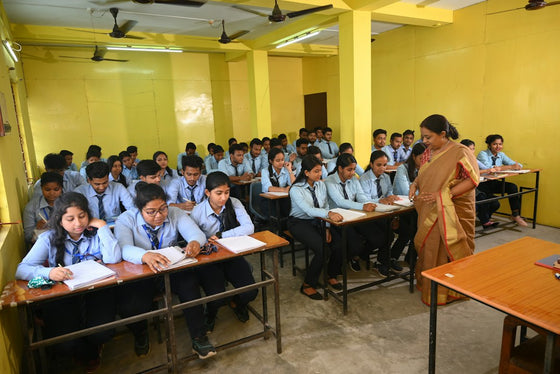
You just survived your first-year Physics and Maths grind. Somewhere near your college, there are JEE aspirants whose parents will pay ₹500–₹1500 per hour for someone who actually cleared it recently.
This is the fastest way to generate consistent weekly income with zero setup cost.
How to Scale Tutoring Beyond One Student
- Start with one student via local coaching centers or word of mouth
- Move to small groups (4–6 students) — same effort, 4x the money
- Build a basic WhatsApp group, charge a monthly subscription for doubt-solving
- Record your sessions and sell them as recorded batches on Teachable or even Google Drive
This works especially well for students at BITS Pilani and other campuses in cities with a dense JEE coaching ecosystem nearby.
4. Campus Reselling — The Hostel Economy Is Real
Every hostel has that one person who always seems to have what you need — a charger, a hoodie, a protein supplement — and somehow always makes money. That's not luck. That's distribution.
Campus reselling works because students hate leaving campus for small purchases, especially during exam season.
- Stationery and lab supplies — Buy in bulk, sell at a small markup during submission week
- Printed notes and past papers — Compile, print, sell. Every batch needs them.
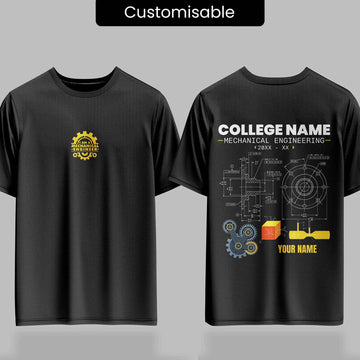
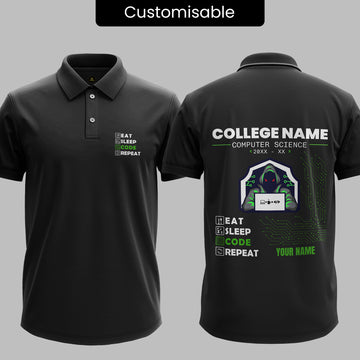
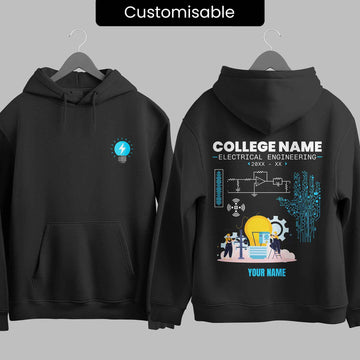
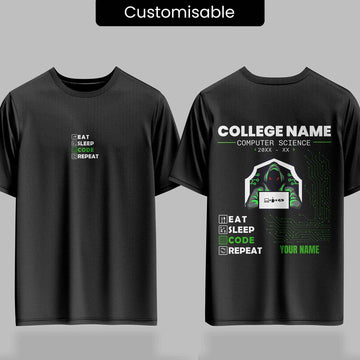
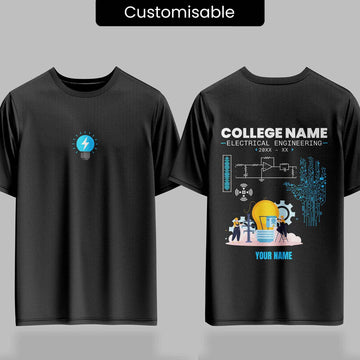
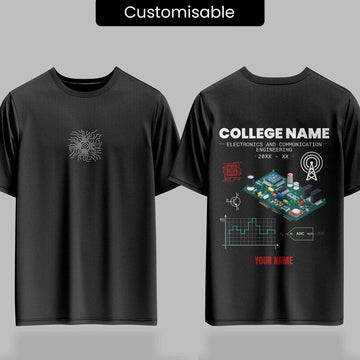
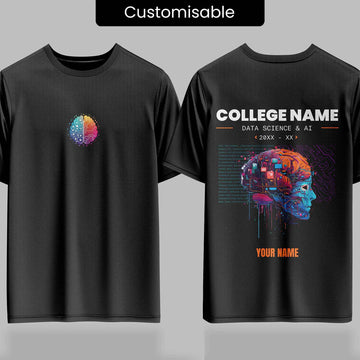
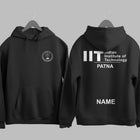
- Branded merchandise — Campus identity is huge. Students at every IIT, NIT, IIIT, and VIT want to rep their college. The demand is consistent.
- Second-hand textbooks and gadgets — Be the middleman. Take 10–15% commission.
Speaking of campus identity — the reason IIIT campus drops from KS Verse sell out fast is simple: students want quality gear that actually represents where they study, not generic college store nonsense. If you're thinking about reselling on campus, premium merch with a real brand behind it is infinitely easier to sell than random cheap stuff.
5. Skill-Based Gigs Within Campus
Your own campus is an untapped market. Every fest, every department event, every sports team needs things done — and most departments have budgets they don't know how to spend efficiently.
- Photography and videography — Shoot fests, events, department convocations. ₹2,000–₹10,000 per event.
- Poster and graphic design — Every club needs social media content. Canva + basic design sense = consistent gigs.
- Website building for clubs and startups — Most campus clubs have zero online presence. Offer a basic site for ₹3,000–₹8,000.
- Data entry and research for professors — Boring but reliable. Check your department notice board.
These aren't glamorous. But they're immediate, campus-safe income that won't interfere with your attendance requirements.
6. Building and Selling Digital Products
This is the long game, but it scales infinitely once it's set up.
A well-made DSA cheat sheet, placement prep roadmap, or resume template can sell hundreds of times with zero additional effort after you make it once. Platforms like Gumroad, Instamojo, and even Instagram DMs work for this.
- Price between ₹49–₹299 to minimize friction for buyers
- Promote it in relevant Telegram groups and LinkedIn posts
- Bundle multiple products to increase average order value
- Update it once a semester to keep it relevant
Students at IIT Delhi and similar campuses with strong placement cultures can make surprisingly good money selling placement prep resources to juniors.
The Mindset That Separates Students Who Earn vs. Students Who Plan to Earn
Here's the brutal truth: most engineering students will read this, save it, share it in a group chat, and do nothing.
The ones who actually start — even badly, even with their first Fiverr gig at ₹300 — are the ones who figure it out. The skill of starting ugly is more valuable than the skill of planning perfectly.
Pick one hustle from this list. Give it 30 days. Seriously — just 30 days of consistent effort alongside your academics.
And while you're building that first income stream, you're going to need to look the part too. The students who are networking, pitching, and showing up to opportunities aren't doing it in faded department tees. They're doing it in gear that says they take themselves seriously — whether that's a 320GSM heavyweight hoodie that actually holds up through three-hour lab sessions or an oversized 240GSM campus tee that doesn't look like it shrunk in the hostel washing machine.
Check out the full campus drops collection if you want gear that actually represents where you're from and where you're headed — because the grind deserves better than a ₹199 college store polo.
Quick Reality Check: What to Avoid
- MLM schemes disguised as "business opportunities" — If someone in your college is recruiting you to "build a network," run.
- Trading apps and crypto gambling — This is not a side hustle. This is a way to lose your pocket money faster.
- Anything that requires more than ₹5,000 upfront investment — You don't have validated demand yet. Don't spend before you earn.
Start This Weekend, Not Next Semester
The best time to start a side hustle as an engineering student was your first year. The second best time is this weekend.
Pick your skill. Pick your platform. Set up your profile tonight. Send your first pitch, post your first piece of content, or message your first potential tutoring student. The compound effect of starting early in college is absurd — students who begin earning in their second year graduate with real-world experience, a portfolio, and often a running income stream that continues post-placement.
Your CGPA matters. Your skills matter more. And the habit of creating value — and getting paid for it — matters most of all.