






















































































































































Featured image by Church of the King on Unsplash
Your CGPA will not save you. There. Said it. While half your batch is grinding for that 9-pointer thinking it'll open every door, the students who actually get the dream offers, the startup funding, and the callbacks are the ones who made themselves impossible to ignore before they even walked out of the campus gate. That's the whole game of building a personal brand before you graduate — and almost nobody is playing it seriously.
Why Personal Branding in College Is Your Biggest Unfair Advantage
Recruiters, founders, and investors are all doing the same thing before a meeting — they're Googling you. What shows up? A blank LinkedIn with three connections and a profile picture from your cousin's wedding in 2019?
Your personal brand is your reputation, packaged and distributed at scale. It's what people say about you when you're not in the room — or more accurately, what Google says about you when you're not in the tab.
The earlier you start, the more compounding works in your favor. A second-year student who starts building now has a two-year head start on every fresher entering placement season.
Step 1: Figure Out What You Actually Want to Be Known For
This is where most people freeze. They want to "build a brand" but have no idea what the brand is about. Here's a simple framework:
- Skill intersection: What are you genuinely good at AND interested in? Data science? UI/UX? Finance? Content? Hardware? Pick one.
- Context: What's your unique angle? An IIT Madras student writing about embedded systems hits differently than a random blogger. Your campus and your field together create a niche almost nobody else occupies.
- Audience: Are you talking to recruiters, fellow students, founders, or the general public? Different audiences need different content styles.
Don't overthink this. Start messy. Your positioning will sharpen over six months of doing the work.
Step 2: Build Your Digital Footprint (The Right Way)
LinkedIn Is Not Optional
If your LinkedIn still says "Student at [College Name]" with zero posts, you're invisible. LinkedIn rewards consistency above everything else. Post once or twice a week — your project breakdowns, learnings from internships, honest takes on your field. That's it.
- Optimize your headline: "CSE Student" → "ML Engineer in Progress | Building at the intersection of vision and robotics"
- Add a featured section with your best project, article, or GitHub repo
- Comment meaningfully on posts from people you want to connect with — this is free networking
GitHub / Portfolio / Substack — Pick Your Secondary Platform
Depending on your domain, your second platform matters more than your first.
- Tech students: GitHub with well-documented projects is your portfolio. Recruiters look here before the resume.
- Design, product, or business students: A clean portfolio site (even on Notion) showcasing case studies beats any resume template.
- Writers and thinkers: Start a Substack. Even 200 subscribers who actually read your stuff is a flex most seniors don't have.
Step 3: The Content Strategy Nobody Teaches You in College
You don't need to go viral. You need to be consistently visible to the right 500 people. That's it.
Here's a repeatable content loop that actually works for campus students:
- Document, don't perform: Share what you're learning in real time. Built a mini ML model? Write a thread. Attended a killer workshop? Drop a post. You're not a guru — you're a student showing their work.
- One long-form piece per month: A detailed blog post, a Substack issue, or a LinkedIn article. This is what gets indexed, shared, and found six months later.
- Engage before you broadcast: Spend 15 minutes a day leaving thoughtful comments on three posts in your field. Relationships compound.
The students who've cracked personal branding before graduation aren't posting every hour — they're posting with intention, consistently, over 12-18 months. That's the whole secret.
Step 4: Go Offline. Seriously.
Here's what the LinkedIn gurus won't tell you — the best personal branding happens in rooms, not on feeds.
- Speak at your college tech fest, even once. Even a five-minute lightning talk puts you on stage.
- Join and then lead a club. The president of the coding club at NIT Trichy or the design head at IIT Bombay has a story to tell that a passive member simply doesn't.
- Organize something — a hackathon, a reading group, a workshop. Organizers are always remembered.
Offline credibility feeds online growth. When you speak somewhere, you post about it. When you post about it, people search for you. When people search for you, they find everything else you've built. It's a flywheel.
Step 5: Let Your Aesthetic Do the Work Too
This one sounds superficial until you realize that how you show up physically — in photos, at events, in campus corridors — is part of your brand signal. People form impressions fast.
You don't need to dress like you're going to a TED Talk every day. But there's something to be said for showing up with intent. The kind of student who speaks at panels and posts thoughtful content usually has a consistent look that matches their energy — whether that's minimal, technical, or bold.
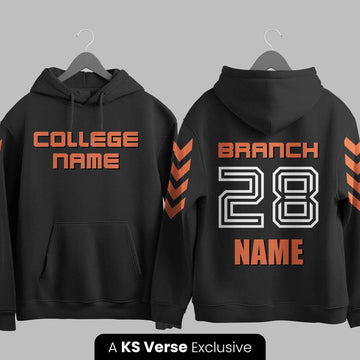
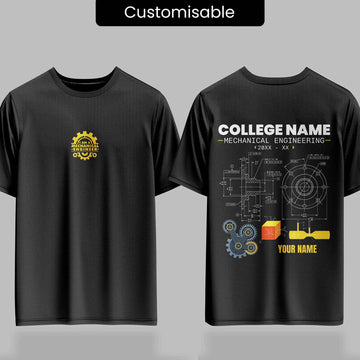
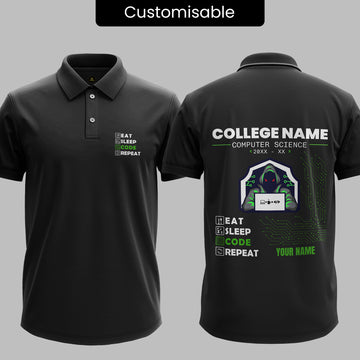
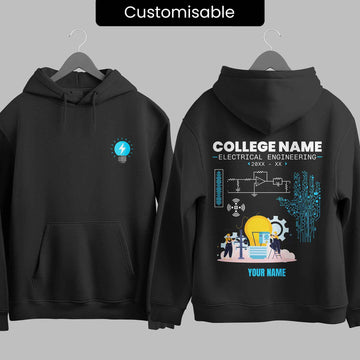
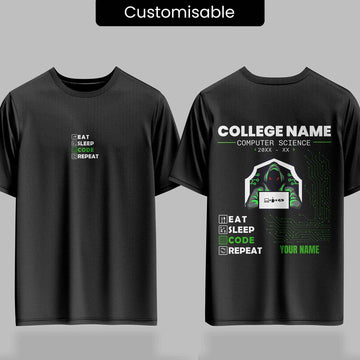
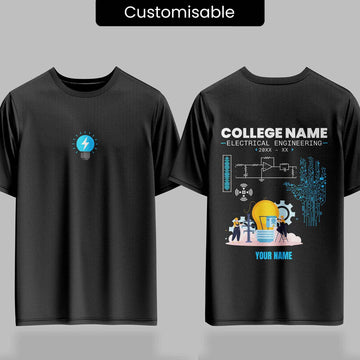
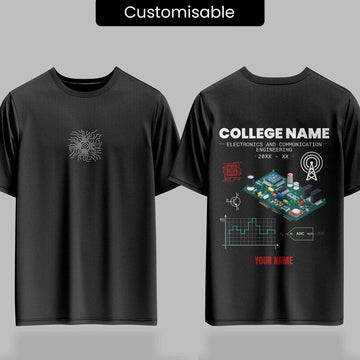
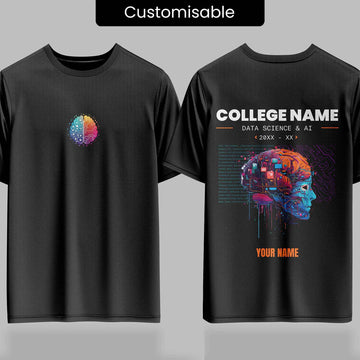
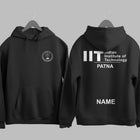
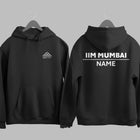
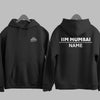
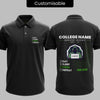
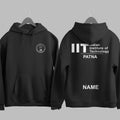
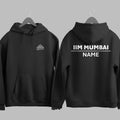
That's honestly part of why campus merch has had a quiet renaissance. A well-designed IIT Delhi hoodie or a clean BITS Pilani drop isn't just about pride — it's a conversation starter. It signals community, identity, and belonging without saying a word. KS Verse's 320GSM heavyweight hoodies and 240GSM oversized tees are literally built for the kind of student who takes their presence seriously, on campus and off it.
If you're from an NIT and want to rep that identity while building your brand story, check out the NIT Warangal campus drops — the kind of merch that actually looks good in a LinkedIn profile picture or a conference photo.
Step 6: The Personal Brand Mistakes That Set You Back
Learn from everyone else's L's so you don't have to take them yourself.
- Waiting until final year: The single biggest mistake. Personal brand is a compound asset. Starting in fourth year is like investing for retirement at 65.
- Trying to be everywhere at once: Pick two platforms. Master them. Spreading thin across Twitter, Instagram, LinkedIn, YouTube, and Substack simultaneously produces nothing for anyone.
- Making it about the brand, not the value: People can smell self-promotion from miles away. Lead with what you know, what you've built, what you've learned. The reputation follows automatically.
- Copying seniors exactly: Your brand has to feel like you. If you're funny, be funny. If you're deeply technical, go deep. Authenticity is the only thing that scales.
The Compounding Effect: What 18 Months of Consistent Building Looks Like
Let's be concrete. A second-year student who starts today and posts twice a week on LinkedIn, ships one GitHub project per month, and speaks at one campus event per semester will, by the time placement season hits:
- Have 50-100 pieces of public content indexed online
- Have a network of 500-2000 relevant connections across their field
- Have a portfolio that any recruiter can verify in under five minutes
- Have a reputation that precedes them in interviews before they've said a word
That student doesn't compete for opportunities. They attract them.
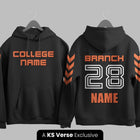
And when they show up to that placement interview or that startup pitch, wearing their campus identity proudly — whether it's a clean tee from the KS Verse campus universe or a Batch Nexus customized hoodie with their graduation year — they're not just another candidate. They're a person with a story, a body of work, and a presence that's impossible to overlook.
Start Today, Not Monday
Update your LinkedIn headline right now. Push that half-finished project to GitHub. Write the 300-word post you've been "meaning to write" for three months. None of it has to be perfect — it just has to be out there.
Building a personal brand before you graduate is not about going viral. It's about making sure the right people can find you, trust you, and remember you — before you even ask them to.
That's the whole playbook. Now go build something worth Googling.