





































































































































































































Most people spend four years in college waiting for the right opportunity. A handful of people build the opportunity themselves — from a hostel room, on a 2 AM adrenaline rush, with a co-founder who's also their roommate. If you're a student thinking about starting something real, this is the only guide you need.
Why Campus Is Actually the Best Time to Start a Startup
Here's the uncomfortable truth: you will never have this much low-risk, high-resource time again in your life. No rent. No dependents. Free access to labs, professors, and a captive market of 5,000 potential users who live within walking distance.
The students building startups on campus aren't superhuman. They're just the ones who stopped waiting for the perfect moment and started with whatever they had — a laptop, a WhatsApp group, and a problem worth solving.
- Zero overhead: Your hostel room is your office. Your mess friends are your first focus group.
- Institutional backing: IITs, NITs, BITS, and VIT all have incubation cells with seed funding, mentors, and co-working spaces.
- Failure is cheap: If it doesn't work, you still graduate. The downside is genuinely limited.
- Network density: The smartest people in your field are literally your batchmates. Your future CTO lives two floors above you.
The Campus Startup Playbook Nobody Posts on LinkedIn
Step 1: Find a Problem, Not a Passion
"Follow your passion" is the worst startup advice ever given. Follow a problem instead. The best campus startups are born from genuine frustration — terrible food delivery to hostels, last-minute study material sharing, broken college fest ticketing systems.
Look around your campus right now. What's broken? What do you and your friends complain about every single week? That complaint is your product brief.
Step 2: Validate Before You Build Anything
The biggest mistake first-time founders make is spending three months building an app nobody asked for. Talk to 20 people before you write a single line of code. A Google Form and a WhatsApp poll can validate your idea in 48 hours.
- Run a fake landing page. See if people sign up.
- Sell the service manually first before automating it.
- If you can't get 10 classmates to pay for it, you don't have a product. You have a hobby.
Step 3: Build in Public on Campus
The students building startups on campus who actually make it aren't hiding in their rooms. They're pitching at every college fest, posting updates in the department group chat, and wearing their work like a badge.
Speaking of which — the culture of building in public extends to how you show up. IIT Bombay founders who rep their campus identity aren't just doing it for aesthetics. Identity and belonging accelerate networks. When you look like you belong to something, people take you seriously faster.
Resources on Campus You're Probably Ignoring
Every top engineering and medical campus in India has infrastructure that most startup accelerators would kill for. The problem? Most students don't use it.
- Technology Business Incubators (TBIs): IIT Delhi's FITT, IIT Madras's IITM Incubation Cell, NIT Warangal's NITW TBI — these offer seed grants, office space, and investor connects.
- NIDHI-EIR and NIDHI-PRAYAS: Government-backed DST grants specifically for student entrepreneurs. Free money on the table.
- E-Cell and entrepreneurship clubs: The real ones are running live workshops, connecting you with alumni founders, and hosting competitions with prize money.
- Faculty as advisors: One professor with the right connections can open more doors than six months of cold emailing. Go to office hours.
If you're at NIT Trichy or BITS Pilani, your alumni network alone is worth more than most seed rounds. Tap it aggressively and shamelessly.
The CGPA Trap — And How Real Founders Think About It
Let's be real about the CGPA debate. You don't need a 9.5 to build a startup. You also don't need to destroy your GPA to prove you're serious. Both extremes are ego trips.
The pragmatic move: keep your CGPA high enough to keep your options open (most campus incubation programs have a minimum threshold), then invest your surplus time into building. Mid-sems are not negotiable. Your startup pitch at 2 AM is.
- Startups that launched in final year with solid academic records have more credibility with on-campus investors and faculty mentors.
- A good CGPA gives you a safety net. Founders need safety nets, not because they plan to fail, but because they can take bigger swings when downside is covered.
What Nobody Tells You About Co-Founders
Choosing a co-founder is more important than choosing your idea. The idea will change ten times. The co-founder will still be there.
The best campus co-founder relationships are built on complementary skills, not friendship. Your best friend from the mess might be the worst person to build a company with if you both do the same things and avoid hard conversations.
- You need someone who can sell if you build, or build if you sell.
- Test the relationship with a small project first — a hackathon, a freelance gig, a college fest deliverable.
- Have the hard conversation about equity before you have the hard conversation about everything else.
The Identity of a Student Founder
Here's something the LinkedIn hustle-porn crowd won't tell you: how you carry yourself on campus matters. Founders attract co-founders, early customers, and mentors by showing up consistently and looking the part of someone who's serious.
The IIIT students and VIT founders who move fastest on campus are the ones deeply embedded in their campus culture — not isolated from it. They're at the fests, in the hackathons, repping their batch. That community embeds you in the exact network that will support your early growth.
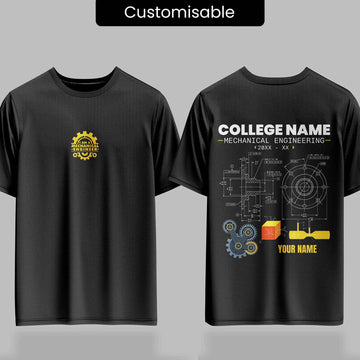
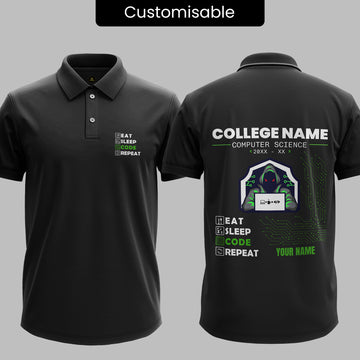
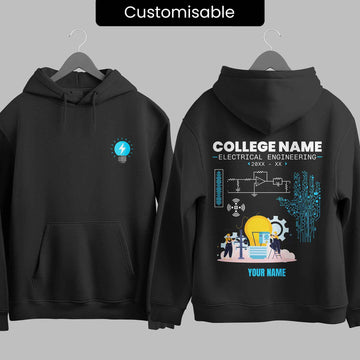
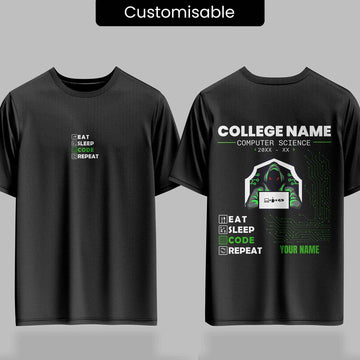
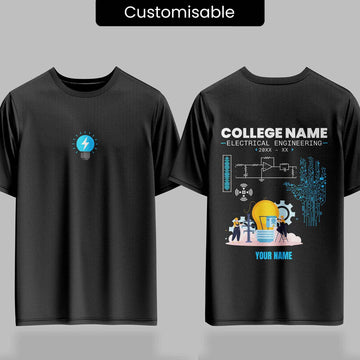
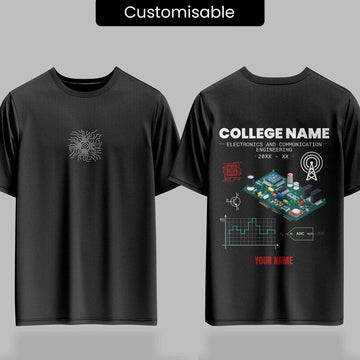
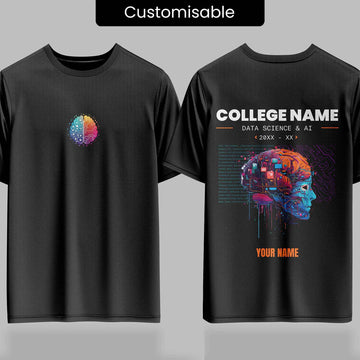
There's a reason founders who wear their campus identity — whether it's a 320GSM heavyweight hoodie from the latest campus drop or a 240GSM oversized tee from their batch collection — get recognized faster. It signals rootedness. It signals that you're here to build something that lasts, not just pass through.
From Idea to First Revenue: A No-BS Timeline
Month 1–2: Validate
- Identify the problem. Talk to 20+ people on campus.
- Build the most embarrassingly simple version of the solution.
- Get your first 5 paying customers — even if it's ₹50 each.
Month 3–4: Iterate
- Get brutal feedback. Kill your ego. Fix what's broken.
- Apply to your campus incubation cell with a one-pager.
- Start documenting your journey publicly — LinkedIn posts, campus talks, E-Cell presentations.
Month 5–6: Scale Within Campus
- If it works at your campus, pitch to other campuses in your city.
- Apply for DST NIDHI-PRAYAS (up to ₹10 lakh in grants for early-stage campus startups).
- Look at national competitions: Smart India Hackathon, iCreate, IIM Ahmedabad's entrepreneurship competitions.
The Mindset Shift That Separates Founders from Dreamers
Founders ship. Dreamers plan. The most dangerous phase is the one where you have a Notion doc full of ideas, a perfectly designed logo, and zero customers. That's not a startup. That's a mood board.
The students building startups on campus who actually make it past year one have one thing in common: they released something imperfect into the world and let reality teach them. The Batch Nexus customizable merch drops that sell out in hours at KS Verse work because someone shipped the first version, got feedback, and iterated — not because someone spent six months perfecting a design in isolation.
That's the only playbook that works. Build. Ship. Learn. Repeat.
Your Campus Is Your First Market. Own It.
The smartest move any student founder can make is to treat their campus as a living laboratory. Test prices, test messaging, test product iterations — all with a captive, honest audience that will tell you exactly what they think.
You have everything you need. The hostel room, the co-founder down the hall, the incubation cell two buildings away. The only thing standing between you and your first startup is the decision to actually start. Every campus has produced founders who started with less than you have right now.
The question isn't whether you have what it takes. The question is whether you're going to start before placements make the decision for you.