































































































































































Featured image by Shashank Raghuvanshi on Unsplash
Your resume got you the shortlist. Congratulations. Now here's the part nobody tells you — the resume is the bare minimum, and every other shortlisted candidate has one just like yours. Same projects, same 8.2 CGPA, same 'proficient in Python' line. Internship season 2026 is going to be the most competitive one yet, and the students who land the good ones won't just be the smartest coders in the room.
Why Your Resume Alone Won't Save You in Internship Season 2026
Let's be real. Recruiters at top firms — Google, Goldman, McKinsey, top-tier startups — spend an average of six seconds on a resume before making a gut call. After that, everything that matters happens in person, on a call, or across your digital footprint.
The students who convert internship offers consistently have one thing in common: they've built a presence that exists beyond a PDF. Here's what that actually looks like.
First Impressions Are Made Before You Open Your Mouth
Walk into an interview looking like you rolled out of your hostel bed — even at IIT Madras or NIT Trichy — and the recruiter has already formed an opinion before you've said a word. This isn't about wearing formals. It's about looking intentional and put-together.
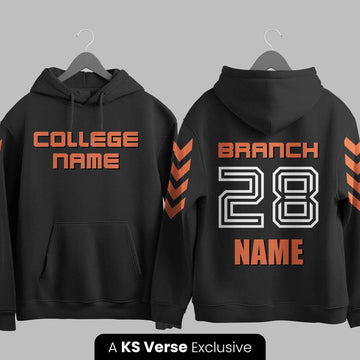
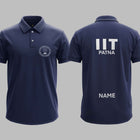
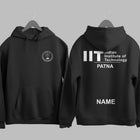
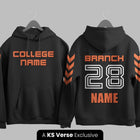
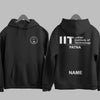
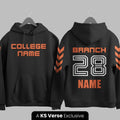
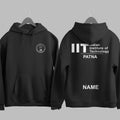
The sharpest candidates showing up to pre-placement talks and interview days aren't in suits. They're in clean, well-fitted fits — think a structured 320GSM heavyweight hoodie from KS Verse paired with clean joggers — looking like someone who takes themselves seriously without trying too hard.
- Grooming matters. Hair, nails, shoes. Recruiters notice what you don't notice they're noticing.
- Your outfit signals your self-awareness. Wrinkled, oversized random tees read as careless. A clean, intentional fit reads as someone who pays attention to details.
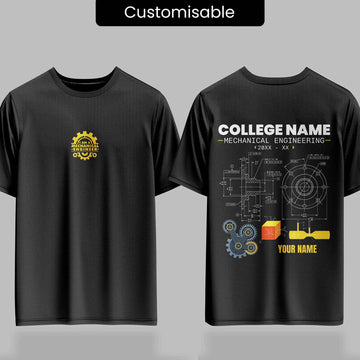
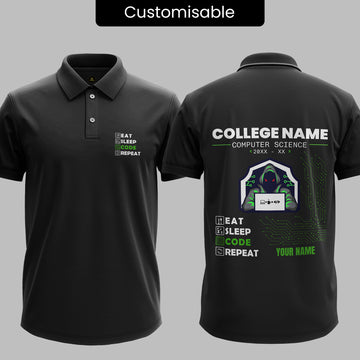
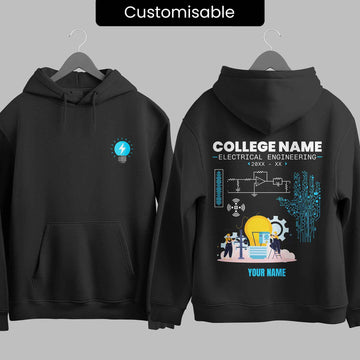
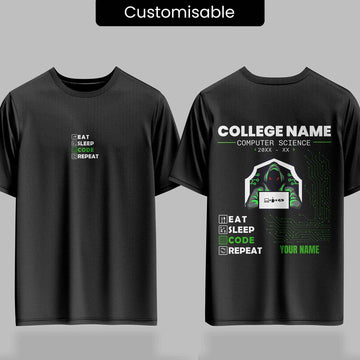
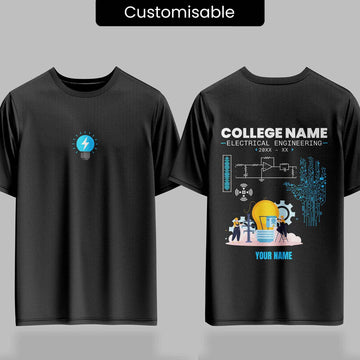
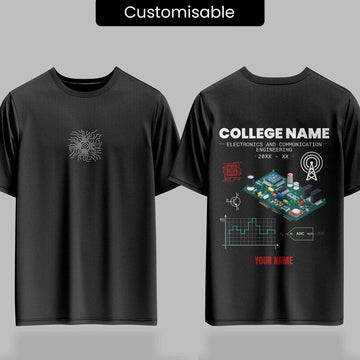
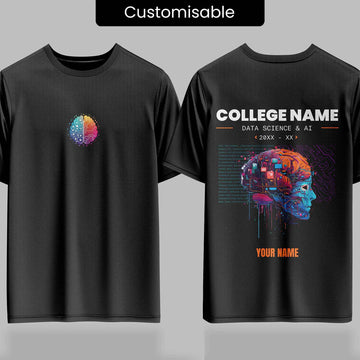
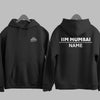
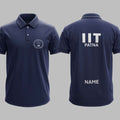
- Campus merch done right actually builds recall — wearing something from your college, like IIT Bombay merch or NIT Trichy drops, tells a recruiter you're proud of where you're from. That's identity. That's confidence.
What Recruiters Actually Observe During the Interview
1. How You Handle Silence and Uncertainty
Every recruiter worth their salary will throw you a question you don't know the answer to. On purpose. They're not testing your knowledge — they're testing your composure.
- Saying "I don't know, but here's how I'd approach finding out" scores higher than nervous rambling.
- Silence is not failure. Thinking out loud, structurally, is a superpower.
- Candidates who panic visibly get cut — not for being wrong, but for showing they can't handle pressure.
2. Your Questions Are Being Evaluated Too
The "do you have any questions for us?" moment is not courtesy — it's a hidden round. Candidates who ask generic questions like "What's the work culture like?" signal they did zero homework.
- Research the team, a recent product launch, or a specific business problem they've publicly talked about.
- Ask something like: "I noticed your team shipped X feature recently — what was the biggest technical tradeoff in that decision?"
- Smart questions prove you're already thinking like an insider.
3. Energy Levels and Genuine Enthusiasm
Recruiters interview dozens of students in a single day at campus drives. The ones who are visibly energized and curious stand out by default — because most candidates are nervous and flat.
This isn't about being loud or fake. It's about actually giving a damn about what the company does and letting that show naturally. Preparation is what creates genuine enthusiasm — you can't fake knowing things.
Your Digital Presence Is a Parallel Resume
Before your interview, recruiters Google you. And if they find nothing — or worse, something embarrassing — that's a problem. In 2026, a dead LinkedIn is as bad as a blank resume.
- LinkedIn: Keep it updated. Have a profile photo that doesn't look like a Zoom call screenshot. Write a headline that says what you're building, not just your college name.
- GitHub: If you're in tech, your commit history is a living portfolio. Green squares matter. Projects with READMEs matter more.
- Twitter/X or Threads: Sharing takes on tech, your learning journey, or industry news signals that you think about your field beyond assignments.
- Don't have a blog yet? Even a short series of posts on Medium or Substack documenting what you've built or learned signals initiative that 90% of your batchmates don't have.
Communication Skills: The Skill Nobody Practices But Everyone Needs
Here's the brutal truth that no placement cell will say out loud: most engineering students from even the top IITs and NITs struggle to explain their own projects clearly. Not because they don't know the work — because they've never practiced explaining it to a non-expert.
Recruiters from product and consulting roles especially look for this. Can you tell the story of what you built, why it mattered, and what you'd do differently — in under two minutes?
- Practice the STAR method: Situation, Task, Action, Result. Apply it to every project on your resume.
- Record yourself answering common interview questions. Watch it back. It's painful. Do it anyway.
- Join a debate club, a case study group, or even just have more intentional conversations with your seniors. Communication is a muscle, not a talent.
The Soft Signals Recruiters Pick Up That You Don't Realize You're Sending
Beyond the obvious, recruiters are wired to pick up on micro-signals that tell them how you'll behave as a colleague. Here's what they're reading:
- Punctuality: Showing up two minutes late to an interview slot — even in a virtual format — plants a doubt that's almost impossible to remove.
- How you talk about your college, professors, or previous internships: Constant negativity or blame-shifting is a red flag. Self-awareness and ownership are green flags.
- Listening vs. waiting to talk: The best candidates listen actively — they nod, they reference what the interviewer said earlier in their answers.
- Your relationship with failure: Recruiters love asking "tell me about a time you failed." The answer they want isn't a perfect redemption arc — it's honesty about what you actually learned.
Building Your Network Before Internship Season Even Starts
The students landing the most competitive internships in 2026 started building their networks in 2025. Cold LinkedIn DMs, alumni connects, hackathon teams — the offer often comes from someone who already knows your name before the application opens.
If you're at BITS Pilani, tap into the BITS alumni network and wear your campus identity with pride — it's an instant conversation starter. If you're at VIT, the same applies — your college community is bigger than you think, and alumni respond to that shared identity. Check out the VIT campus drops and show up to networking events looking like someone who belongs in the room.
- Reach out to seniors who interned at companies you want to target. Ask specific questions, not "can you refer me?"
- Attend company-hosted webinars, open-source events, and hackathons — recruiters scout there actively.
- Your college name opens doors. Your network holds them open.
The One Thing That Ties It All Together
Recruiters are ultimately trying to answer one question: "Is this person someone I'd want working next to me on a hard problem?" Your CGPA answers a small part of that. Your resume answers a bit more. But everything else — how you carry yourself, how you communicate, how you show up, what you've built outside the classroom — answers the rest.
Internship season 2026 will reward students who've been intentional about all of it. Start with what you can control today: update your LinkedIn, clean up your GitHub, practice your project pitches, and for the love of everything — show up to that interview looking like you meant to be there.
If you want to rep your campus while you're at it, the KS Verse all-campus drops have fits worth wearing — our 240GSM oversized tees and Campus Legend hoodies are what you wear when you want to look sharp without trying too hard. Because the best version of you in internship season walks in with confidence — and confidence shows before you say a single word.