









































































































































































































Featured image by Church of the King on Unsplash
Nobody tells you this during orientation: your final semester is basically two full-time jobs duct-taped together. You're supposed to crack DSA rounds, prep for HR interviews, attend end-sem lectures, submit projects, and somehow not lose your mind — all simultaneously. It's a lot. But thousands of students before you have done it, and they had the same 24 hours you do.
This isn't a motivational speech. This is a field guide written for the student sitting in their hostel room at 1 AM, Leetcode tab open, assignment deadline in 6 hours, and a company PPT at 8 AM. Let's fix that chaos for good.
Why Final Semester Feels Impossible (and Why It's Not)
The brutal truth is that final semester hits different because the stakes are suddenly real on both fronts. Your CGPA still matters — many offers have a 6.5 or 7.0 cutoff that can literally cancel your placement. And placement prep isn't something you can sprint through in two weeks either.
The trap most students fall into is treating these as two competing priorities. They're not. With the right system, placement prep and coursework actually feed each other. Problem-solving sharpens your logical thinking in both code and theory. The trick is building a system, not relying on willpower.
The Weekly Architecture That Actually Works
Block Your Time Like a Senior Dev Manages Sprints
Stop planning day-by-day. Plan in weekly blocks. Each week, you have roughly 7-8 hours of classes, 4-5 hours of lab or project work, and the remaining time is yours to split between placement prep and coursework revision.
- Mornings (7–10 AM): DSA or aptitude — your brain is sharpest. Two Leetcode problems minimum. Don't negotiate with yourself on this.
- College hours (10 AM–5 PM): Be present. Seriously. Attendance shortcuts in final sem can cost you exam eligibility. Use lecture gaps for quick topic revision, not doomscrolling.
- Evening (6–9 PM): Coursework — assignments, theory, practicals. Get this done before dinner so you're not pulling all-nighters for class when placement rounds hit.
- Night (9–11 PM): Mock interviews, CS fundamentals (OS, DBMS, CN), or company research. Wind down at 11. Sleep deprivation will tank your interview performance more than one missed Leetcode problem ever will.
The One Rule That Saves Everything
Never let placement prep eat into your coursework deadlines, and never let coursework pile up until it explodes during your placement week. Sounds obvious. Almost nobody follows it. Set calendar alerts for every submission two days before the actual due date. That buffer is your safety net.
How to Handle Placement Prep Without Burning Out
Build a 12-Week Placement Prep Roadmap
Most campus placement seasons start October–November. If you map backwards from Day 1 of placements, you have roughly 12 weeks from the start of your final semester to get placement-ready. Here's how to split that:
- Weeks 1–4: Revisit DSA fundamentals — Arrays, Linked Lists, Trees, Graphs, DP basics. One topic per week. Don't try to do everything at once.
- Weeks 5–8: CS core subjects — Operating Systems, DBMS, Computer Networks, OOPs. These are non-negotiable for tech interviews. Pair this with 1–2 mock interviews per week.
- Weeks 9–12: Company-specific prep — previous year questions, HR rounds, resume polishing, behavioral frameworks (STAR method). Also do your final coursework push here.
If you're from a design, management, or core engineering background, swap DSA blocks for domain-specific prep — case studies, portfolio reviews, or simulation problems. The time-blocking principle stays the same.
The Leetcode Trap — And How to Avoid It
Doing 400 random Leetcode problems won't get you placed. Doing 150 curated problems across key patterns absolutely will. Focus on patterns: sliding window, two pointers, BFS/DFS, dynamic programming, and binary search. Quality over volume, always.
Managing Coursework Without Tanking Your CGPA
Know Which Courses Actually Matter
Not every final semester course is equally weighted or equally monitored. Identify your high-stakes subjects early — typically those with external exams, major projects, or heavy internal assessment. Give those 60% of your coursework time. The rest? Smart, consistent effort is enough.
- Talk to seniors from your branch who survived the same semester. They'll tell you which professors are strict on attendance, which projects are copy-friendly, and which exams you can clear in one all-nighter.
- Form a study group specifically for coursework revision. Four people splitting four subjects and sharing notes is not cheating — it's leverage.
- If your college has previous year papers accessible, that's your exam prep sorted in most cases. Pattern recognition beats blind studying every time.
The Project Submission Hack
Final semester projects are usually semester-long. The students who survive are the ones who front-load 70% of the project work in the first 8 weeks, so they're just polishing and submitting during peak placement season. If you're starting your project in November when interviews are flying, you've already lost that battle.
Your Mental Game Is Your Real Competitive Advantage
Here's something placement coaches won't tell you: most students don't fail placement rounds because of skill gaps. They fail because anxiety wrecks their performance. The student who walks into an interview visibly calm, wearing their IIT Bombay merch with quiet confidence, already has a psychological edge over someone who's been awake for 36 hours and looks like they've seen a ghost.
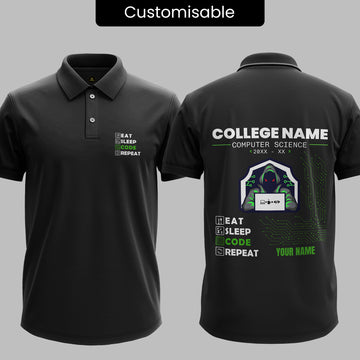
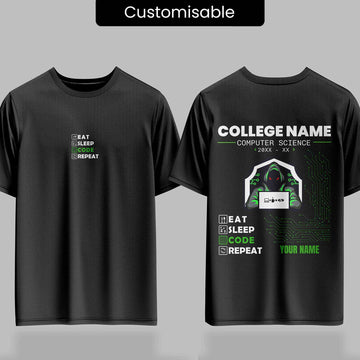
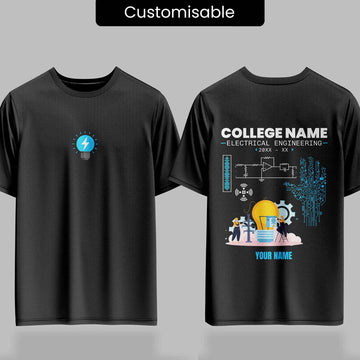
Campus identity matters more than you think. Wearing something that grounds you in your campus community — like the 350GSM heavyweight hoodies from KS Verse that half your batch is already wearing to placement season mock sessions — is a small thing that signals belonging and confidence to your own brain. Don't underestimate that.
How to Handle Rejection Without Spiraling
- Debrief every rejection within 24 hours. What technical question tripped you? What HR answer felt weak? Write it down. Then close the document and don't revisit it until your next prep session.
- Keep a wins list. Every online assessment cleared, every shortlist, every peer who says your mock interview was sharp — document it. Your brain will lie to you during a rough patch. The wins list corrects that lie.
- Batch placements with campus friends. Celebrate each other's wins genuinely. There's no finite number of jobs. Someone else getting placed doesn't reduce your chances.
The Tools That Actually Help
You don't need 12 apps. You need three things that work:
- Notion or Google Calendar: For weekly time-blocking. One master document for coursework deadlines + placement milestones.
- Leetcode + NeetCode roadmap: For structured DSA prep. NeetCode's 150 is your bible.
- InterviewBit or company-specific Discord servers: For peer mock interviews and OA prep. Most campuses — from NIT Warangal to BITS campuses — have active placement prep communities. Join them early.
How to Show Up on Placement Day Like You Own It
Logistics matter. Your physical presence, energy, and presentation in the placement slot communicate things your resume can't. Know your interview slot 48 hours in advance. Sleep for at least 7 hours the night before. Eat a real breakfast. Don't do Leetcode the morning of your interview — you're either ready or you're not, and last-minute cramming fries your working memory.
Students from IIITs and VIT campuses have been showing up to placement days in the 240GSM oversized tees or clean campus hoodies — it's become part of the campus placement aesthetic. You want to look put-together without looking like you're trying too hard. That balance is its own kind of communication.
And when you finally land that offer — and you will — the Batch Nexus customizable merch from KS Verse is how your entire placement batch has been marking the moment. It's a tradition at this point across campuses.
The Bottom Line on Balancing Placement Prep and Coursework
Final semester is a test of systems, not superhuman effort. Build the weekly block structure. Front-load project work. Prep DSA by pattern, not volume. Protect your sleep. Lean on your campus community. And check out what your batch is repping this placement season at KS Verse's campus drops — because even the small rituals of campus identity add up when everything else feels uncertain.
You've spent four years earning the right to wear your campus name with pride. Go get that offer to match it.