
























































































































































































Featured image by Church of the King on Unsplash
Most seniors will give you exactly two things: vague gyaan about 'enjoying college life' and a horror story about their first mid-sem. What they won't give you — unless you know how to find the right ones — is actual, tactical mentorship that changes your trajectory. This is that guide.
Why Most Campus Mentorship Falls Flat
Let's be honest. The word 'mentorship' on campus has been so watered down it's basically meaningless. You ask a senior for advice, they say 'bhai, enjoy karo,' and you walk away with nothing actionable.
That's not mentorship. That's small talk with someone who graduated two years ago.
Real mentorship on campus is rare, specific, and almost always accidental — unless you build a system to find it. Which is exactly what we're about to break down.
The Two Types of Seniors on Every Campus
Walk into any hostel common room at IIT, NIT, or BITS, and you'll find the same two archetypes wearing the same oversized tees and arguing about something entirely unrelated to academics.
Type A: The Gyan Dispenser
- Talks in broad strokes — 'network,' 'hustle,' 'keep your options open'
- Has never actually done the thing they're advising you on
- Available 24/7 because they're procrastinating their own work
- Will absolutely derail your study session with a two-hour 'life talk'
Type B: The Actually Useful Senior
- Busy — legitimately. Internships, projects, research, clubs
- Gives you a 10-minute answer that saves you three months of trial and error
- Has specific, verifiable wins: placed at a top firm, published research, built something real
- Doesn't perform mentorship — they just help when you ask the right question
Your entire goal is to find Type B and ask them the right questions before they graduate.
Where to Actually Find Good Mentors on Campus
Stop waiting for a formal mentorship program to match you with someone. Those systems are slow, generic, and bureaucratic. Here's where real mentorship actually lives.
Technical Clubs and Coding Societies
This is the single best place to find seniors who are genuinely good at something. When you work on a project together, mentorship happens organically — no awkward cold messages required.
- Join clubs that produce output: apps, robots, research papers, events
- Volunteer for grunt work early — you get proximity to the seniors actually building things
- Ask specific questions during builds, not generic 'how do I succeed' questions
The Hostel Wing at 11 PM
Sounds unserious. It isn't. Some of the most useful conversations happen informally — a senior debugging their code, you asking what's wrong, them explaining the whole architecture while they fix it.
Informal access beats formal structure every single time. The senior in the IIT Bombay merch hoodie cramming for placements at midnight is more likely to give you real talk than someone who signed up to be a 'mentor' on a portal.
LinkedIn — But Done Right
Don't send 'Hey senior, please guide me.' That message gets ignored. Instead:
- Comment meaningfully on a post they made about their internship or project
- Send a message referencing something specific: 'I saw you interned at [X] — I'm preparing for similar roles, can I ask you one specific question about the process?'
- One question, not ten. Respect their time and they'll respect you back.
Alumni Talks and Placement Prep Sessions
Most students attend these to fill attendance. The ones who benefit are those who stay back, ask pointed questions, and follow up. Be that person. Always.
How to Ask for Mentorship Without Being Annoying
This is where most juniors fail. They either never ask, or they ask in a way that puts the entire burden on the senior to figure out what help is even needed.
The golden rule: come with context, come with a specific ask, and make it easy to say yes.
Bad Ask vs. Good Ask
- Bad: 'Bhai, I want to get into consulting. What should I do?'
- Good: 'I have a 8.4 CGPA, I've done one case competition, and I'm targeting Tier 1 consulting for placements in 18 months. Can you tell me the one thing you'd do differently in prep if you started now?'
- Bad: 'Can you review my resume sometime?'
- Good: 'I've attached my resume. I specifically want feedback on how I've framed my project descriptions. Takes 10 minutes max — totally okay if you can't.'
Specificity is respect. It shows you've done the thinking and you just need their expertise to fill the gap.
What to Actually Ask Your Mentor
Most juniors waste their access by asking questions Google could answer. Don't. Use a senior's time for things only lived experience can answer.
- What did you wish you'd started earlier — research, prep, networking, or something else?
- What's the actual difference between students who get the top offers vs. the average ones?
- Which professors here are worth approaching for research, and how do you approach them?
- What did you tank in — and what did you learn from it?
- If you had a 7.2 CGPA going into third year, what would you do to compensate?
These questions open real conversations. They get you intel that no college brochure or YouTube video will ever give you.
Building a Mentorship Network, Not Just a Single Mentor
One mentor is a single point of failure. Build a small portfolio of two or three seniors across different tracks — one for technical depth, one for placements/internships, one for broader life navigation.
This is especially powerful at multi-campus institutions. If you're at NIT Warangal or BITS, you have access to a dense alumni network across every industry imaginable. Use it like infrastructure, not like a favour you're too shy to ask for.
Students at IIITs often underestimate how strong their senior networks are in product and software — and then they graduate wondering why they didn't tap it sooner.
How to Be the Kind of Junior Worth Mentoring
This part doesn't get talked about enough. Good seniors get approached constantly. The ones who get real investment from mentors are the ones who show up prepared, follow through, and actually do the things they're told.
- If a senior tells you to apply somewhere, apply. Then report back.
- Update them when something works — it closes the loop and builds the relationship
- Don't ghost after you get the advice. A 'thank you, here's what happened' message takes 30 seconds
- Show initiative between conversations — arrive having done more than was suggested
Seniors talk to each other. Being known as 'the junior who actually executes' is the fastest way to get warm introductions to other people worth knowing.
The Campus Identity Layer: Looking the Part While Building the Part
This sounds shallow but it genuinely isn't. Campus culture is visual, and how you carry yourself signals what you're about before you even speak.
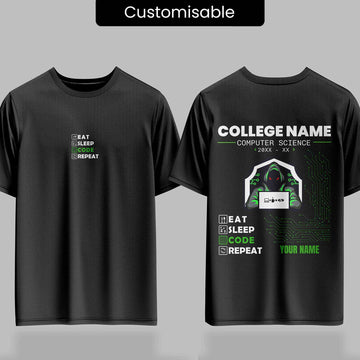
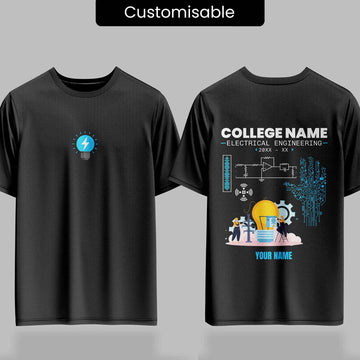
The students who tend to get noticed — by seniors, professors, and recruiters — walk around with a certain intentionality. The 320GSM heavyweight hoodies from KS Verse's campus drops aren't just merch — they're a quiet signal of where you belong and what you're proud of. It's the kind of thing that starts conversations in hostel corridors or at fests when someone from the same campus spots it.
Identity builds community, and community is where mentorship actually lives. The 240GSM oversized tees with your campus name are conversation starters in the most low-effort, high-return way possible.
Red Flags: Seniors Who Will Waste Your Time
Not every senior with a good placement story is worth following. Watch for these patterns:
- They only talk about themselves and rarely ask about your specific situation
- Their advice is always abstract — never tactical, never verifiable
- They've never failed at anything (or claim they haven't) — useless for real navigation
- They're more interested in being seen as a mentor than in actually helping
- They discourage your specific path and push you toward theirs without understanding your goals
A mentor's job is to sharpen your thinking, not replace it with theirs.
TL;DR — The Mentorship Playbook
- Stop waiting for formal programs. Go find the seniors actually doing things
- Join clubs, show up to late-night work sessions, and be useful before you ask for anything
- Ask specific, time-bounded questions — not open-ended life advice requests
- Build a small network of two to three mentors across different tracks
- Follow through on every single piece of advice you're given, and report back
- Know the difference between Type A and Type B seniors — and spend your time accordingly
The best mentorship on campus doesn't look like mentorship. It looks like a senior who respects your hustle enough to give you 15 minutes of real talk. Go find those people — and become the kind of junior they're glad they invested in.