






















































































































































































Featured image by Church of the King on Unsplash
Your wardrobe doesn't need to cost a semester's mess bill to look like it does. The sustainable streetwear movement hitting Indian campuses right now is proof that the best fits aren't bought — they're built. Thrifting, customizing, and wearing drops that actually mean something have replaced the mindless Myntra haul culture. And honestly? It's about time.
Why Campus Sustainable Streetwear Is Having Its Moment
It's not just an aesthetic phase. Students at IITs, NITs, BITS, and VIT are genuinely rethinking how they consume fashion — partly because of limited budgets, partly because fast fashion is objectively terrible for the planet, and mostly because generic clothes from generic brands stopped feeling like anything at all.
When every third person on campus is wearing the same oversized tee from the same Bengaluru warehouse drop, something breaks. That's when thrifting and customization stopped being niche and became the actual move.
What Thrifting Actually Looks Like on an Indian Campus
Forget the romanticized Brooklyn thrift store fantasy. Indian campus thrifting is scrappier, smarter, and honestly more interesting.
- OLX and Facebook Marketplace are goldmines for vintage denim, old band tees, and heavy-duty jackets — especially in cities housing IIT and NIT campuses.
- Senior wardrobe handoffs — fourth years clearing rooms before placements are essentially running pop-up secondhand shops from their hostels. Always ask around during April-May.
- Local Sunday bazaars near campuses like NIT Warangal, IIT Kharagpur, and NIT Trichy have secondhand sections that go completely underrated.
- Campus buy-sell WhatsApp groups — every college has one. Search yours before you hit Flipkart.
The goal isn't to look cheap. The goal is to look intentional. There's a difference, and most people who've been thrifting for even one semester can see it immediately.
Customization: Turning Basics Into Statement Pieces
Thrifting gets you the canvas. Customization makes it yours. This is where campus streetwear stops being about brands and starts being about identity.
The Most Practical Customization Methods for Hostel Life
- Iron-on patches: The easiest entry point. Vintage-style patches on jackets, bags, or tote bags. Available cheaply on Meesho, done in five minutes with a borrowed iron from your wing.
- Fabric markers and bleach distressing: If you have a white or light-coloured basic tee, you already have a project. Bleach-splatter and hand-drawn graphics are having a serious moment.
- Embroidery: Takes patience but hits different. Small embroidered details on collars, cuffs, or pocket areas elevate a thrifted piece to something genuinely premium.
- Screen printing collectives: Several campuses have design clubs or student entrepreneurs who run small-batch custom printing. Your hostel might be three doors away from someone who does this.
- Cropping, hemming, raw-edging: A pair of scissors and a YouTube tutorial can turn a shapeless second-hand sweatshirt into something you'll actually wear to fests.
The barrier to entry is genuinely low. You don't need a sewing machine or a design degree. You need fifteen minutes and the willingness to ruin one thing before you get it right.
How to Build a Sustainable Campus Wardrobe From Scratch
Randomness is the enemy of a good wardrobe. Even with thrifted and customized pieces, you need a system.
Step 1: Define Your Campus Uniform
What do you actually wear on 90% of days? For most students it's an oversized tee, cargo pants or washed jeans, and clean sneakers. Build everything around that core, not around wishful thinking about how dressed-up you'll be.
Step 2: Invest in One or Two Quality Anchor Pieces
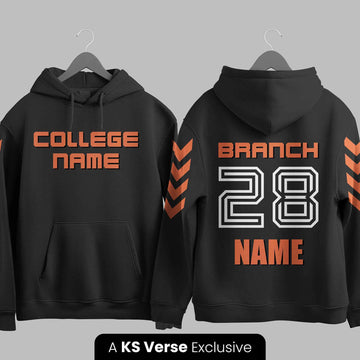
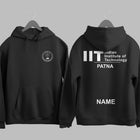
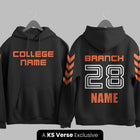
Sustainable doesn't mean everything should be thrifted. One well-made heavyweight hoodie you wear for three years is more sustainable than five cheap ones that pill after a semester. The 320GSM heavyweight hoodies from KS Verse are exactly this kind of anchor piece — structured, durable, and campus-specific enough that they don't look like every other hoodie on your floor. If you're at IIT Bombay, check out the IIT Bombay campus drops — these are the pieces you build a wardrobe around, not impulse buys you forget by next month.
Step 3: Fill Gaps With Thrift, Not Trend
Every time you feel the urge to buy something new, ask: can I find this second-hand first? Usually yes. Usually cheaper. Usually more interesting.
Step 4: Customize Strategically
Don't customize everything. Pick two or three pieces per semester to personalize. Over-customizing kills coherence. The best sustainable streetwear wardrobes have a clear point of view, not a chaotic craft project energy.
The Campus Identity Layer: Why Your College Drop Matters
Here's something the pure thrift-only crowd sometimes misses: wearing your campus isn't just fashion, it's belonging. A well-designed NIT Warangal or BITS Pilani drop carries context that no vintage piece can replicate.
The students getting this right aren't choosing between sustainability and identity — they're combining both. A thrifted jacket over a campus-specific graphic tee. Customized patches on a hoodie that already has your college on it. It's layered, and it works.
If you're at NIT Trichy or NIT Warangal, the NIT Warangal streetwear drops and NIT Trichy campus collection are designed to be exactly that kind of base layer — something you'll actually customise and build on top of, not something that sits in your wardrobe unworn.
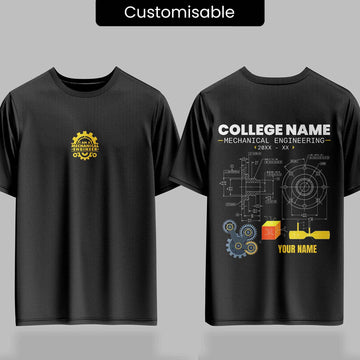
The 240GSM oversized tees from KS Verse have also quietly become a customization favourite — the weight holds fabric paint and iron-on patches without buckling, which is more than you can say for the thin stuff most brands sell.
Sustainable Streetwear Doesn't Mean Anti-Brand
Let's kill the gatekeeping. Sustainable fashion on campus isn't a purity test. The actual sustainable move is buying less, buying better, and making things last longer — regardless of where they came from.
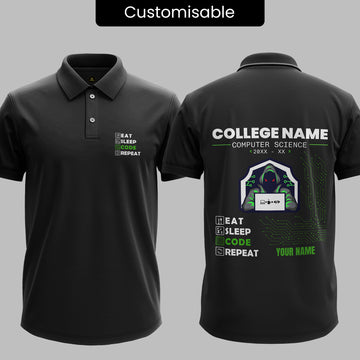
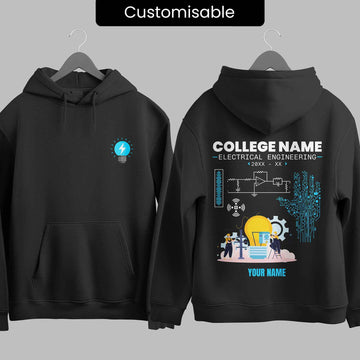
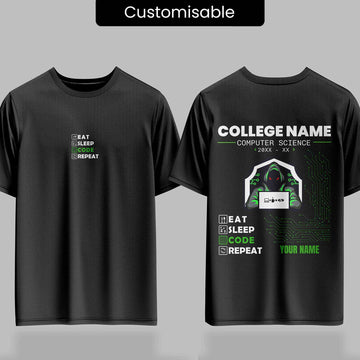
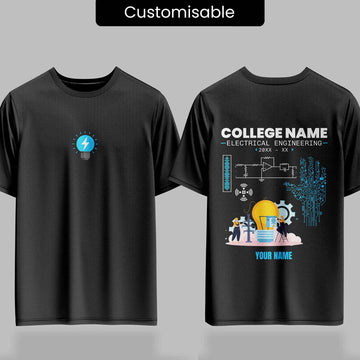
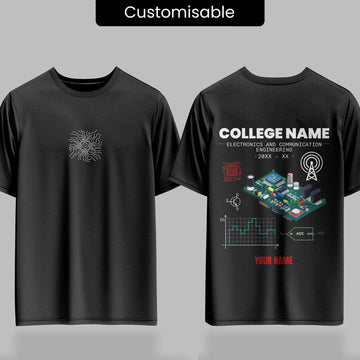
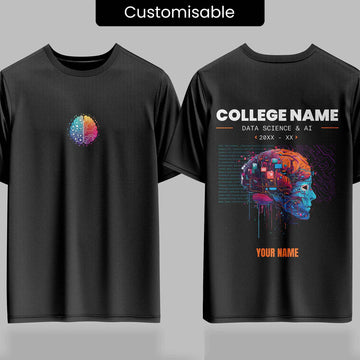
The Batch Nexus customizable merch line exists exactly in this space. It's designed for students who want something personalised to their batch, their hostel, their vibe — without commissioning a 200-piece minimum from some bulk printer who'll deliver garbage by the deadline.
Sustainability isn't just environmental. It's also about not throwing money away on things that don't last or don't mean anything.
How to Actually Start (Without Overthinking It)
- This weekend: Go through your current wardrobe. Pull out one piece you never wear. Decide if it's a thrift candidate or a customization project.
- Next campus fest or fair: Look for the student-run stall or the design club — they're usually doing custom printing at rates that make no financial sense (good for you, rough for them).
- Before your next clothing purchase: Check Facebook Marketplace and your campus buy-sell group first. Give yourself 48 hours before defaulting to Myntra.
- One anchor drop this semester: Pick one campus-specific piece that you'll actually wear for the next two to three years. Check out all campus drops on KS Verse if you want to see what's available for your college — the Campus Legend tier hoodies are built for exactly this kind of longevity play.
The Bottom Line
The sustainable streetwear movement on Indian campuses isn't about sacrifice — it's about being more intentional than the average person who panic-buys before every fest. Thrift strategically. Customize thoughtfully. Invest in one or two pieces that actually represent where you are and who you're becoming.
The fits that people remember years later were never the most expensive ones. They were the ones that looked like someone actually thought about them.
Start there.