




































































































































































































Featured image by Church of the King on Unsplash
Your first day at IIT, NIT, or BITS and someone already added you to 47 WhatsApp groups before you even found your hostel room. Welcome to Indian campus life — where your phone battery dies faster than your social battery. Campus communities have always been loud, chaotic, and weirdly essential to survival. But how they work? That's changed completely.
The WhatsApp Era: Beautiful Chaos, Zero Structure
Let's be honest — the classic college WhatsApp group was a disaster. And somehow, also the only thing keeping your academic life together.
One group for your branch. One for your hostel block. One for the seniors who might share notes. One random one you joined at 2 AM during orientation that you're still too scared to leave.
- The meme dump: 80 unread messages, 79 of which are memes you've already seen on Instagram.
- The urgent panic: "bhai assignment kab submit karna hai??" sent at 11:58 PM for a midnight deadline.
- The ghost mode: 200 people in the group, 6 people who actually reply.
- The senior wisdom drop: One cryptic message about placements that everyone screenshots but no one understands.
WhatsApp worked because it was frictionless. Everyone already had it. But it was never built for community — it was built for conversation. And there's a massive difference.
Why Campus Communities Started Breaking WhatsApp's Limits
As campuses grew and student networks became more complex, the cracks started showing fast. A 256-member limit means your entire department can't fit in one group. Pinned messages get buried in an hour. There's no way to organize resources, run polls properly, or separate the chaos into topics.
The real breaking point? COVID.
When campuses shut down in 2020 and everyone went home, the digital infrastructure of Indian college life got stress-tested hard. WhatsApp couldn't handle what students actually needed — study rooms, club meetings, technical talks, placement prep, mental health spaces, and yes, the 3 AM "anyone awake?" conversations.
- Telegram emerged as the first serious upgrade — larger groups, better file sharing, channels that could broadcast to thousands.
- Discord came in quietly, first through gaming communities, then spread like a well-written short answer during open-book exams.
- Clubs and cells at IITs and NITs started building structured servers with dedicated channels, roles, and actual moderation.
Discord Didn't Just Replace WhatsApp. It Restructured Campus Identity.
Here's what most people miss: Discord didn't just give students a better chat app. It gave campus communities an actual architecture.
Think about what a well-run campus Discord server looks like now:
- #announcements — only admins post, zero noise
- #placement-resources — organized, searchable, pinned docs that don't disappear
- #branch-specific channels — CSE, ECE, Mech don't have to scroll through each other's syllabus drama
- #venting-corner — yes, this exists on real servers and it's genuinely used
- #buy-sell-swap — textbooks, cycles, room heaters, the whole ecosystem
- Voice channels — impromptu study rooms, gaming sessions, or just background noise when the hostel feels too quiet
Students who run the IIT Bombay tech fests, cultural committees, and startup cells will tell you the same thing — Discord made coordination actually possible. Roles, permissions, bots for reminders and attendance tracking — it's genuinely powerful.
The Identity Layer: What You Wear While You're Online
Here's where it gets interesting from a culture perspective. As campus identity moved online, it didn't disappear offline. It got stronger.
Students started wearing their campus pride louder. Discord profiles with college server tags, custom roles named after hostel blocks, profile pictures in college merch — the digital and physical started bleeding into each other.
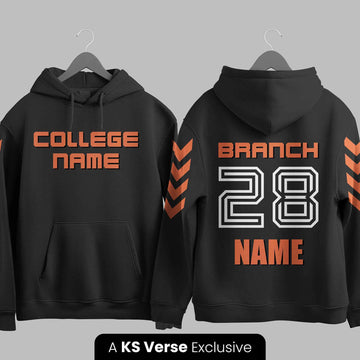
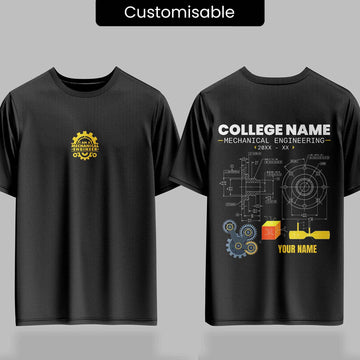
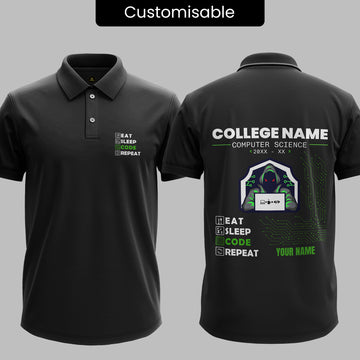
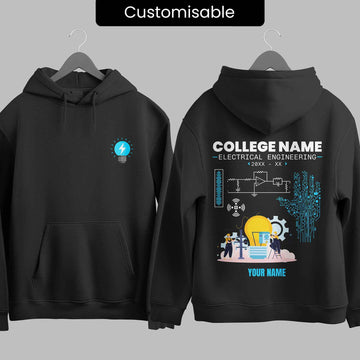
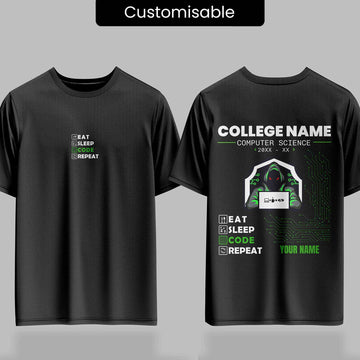
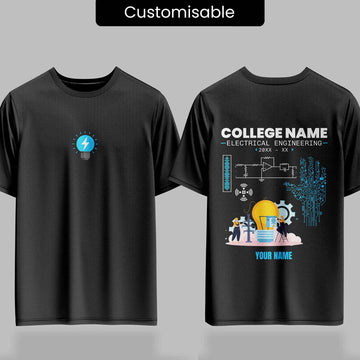
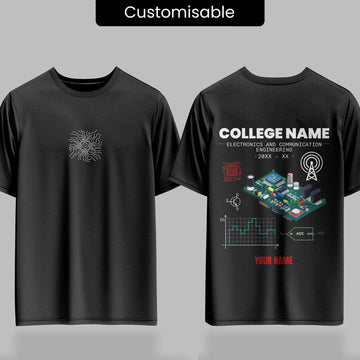
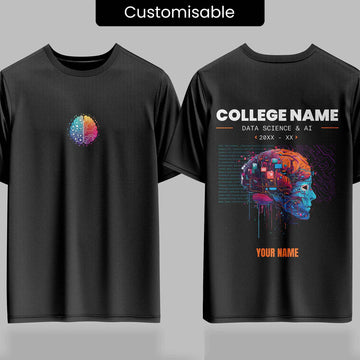
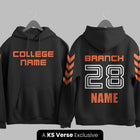
You see it at every hackathon, intra-college sports meet, and campus fest. The kids repping their identity hardest are usually in heavyweight hoodies or oversized tees that actually fit the aesthetic — not the flimsy college-issued stuff that shrinks after two washes. Campus community pride became something you could literally wear.
That's exactly why students from NIT Trichy to BITS Pilani are reaching for gear that matches the culture they've built — online and off. A 320GSM heavyweight hoodie from KS Verse hits different when your Discord server has 800 members and you're walking into a college fest representing something real.
Telegram's Role: The Middle Child Nobody Talks About Enough
Telegram deserves its own section because Indian campuses genuinely run on it in ways outsiders don't realize.
- PYQ dumps: Previous year question papers shared in channels with 10,000+ subscribers
- Course material: Entire semesters of notes, compressed and sent before the first week ends
- Anonymous confession bots: Every major campus has one. They're chaotic. They're also weirdly therapeutic.
- Placement season channels: Real-time interview experiences, company-specific prep, salary data — stuff that would take hours to find on LinkedIn
Telegram is the campus library. Discord is the campus common room. WhatsApp is still the emergency contact list you can't delete.
What This Shift Means for Campus Culture Long-Term
The move from WhatsApp to structured digital platforms isn't just a tech preference — it's changed how campus communities form and sustain themselves.
Communities Now Outlive Batches
A Discord server built by the 2021 batch doesn't die when they graduate. Alumni stick around, pass down knowledge, and create something with actual institutional memory. That's new. That's significant. Campus communities used to reset every four years. Now they compound.
Niche Communities Can Finally Exist
The chess club at a mid-tier NIT used to have trouble finding members. Now? A Discord server, a few Reddit posts, and suddenly you've got students from across the country who want to play. Niche interests scale online in ways hostel corridors never allowed.
The "Silent Majority" Finally Has a Voice
Not everyone wants to speak up in a 200-person WhatsApp group. Reaction roles, anonymous feedback bots, and lower-pressure text channels mean the introverted, the uncertain, and the genuinely thoughtful students actually participate. Campus discourse got broader because the format got better.
The Downside Nobody Wants to Admit
Look, it's not all smooth. More online community means more time staring at screens that aren't your laptop during lecture (the one you're already not attending in person).
- Discord rabbit holes at 2 AM the night before mid-sems. We've all been there.
- FOMO from 12 different servers all running events simultaneously
- The emotional tax of being "always available" in 30 different channels
- Genuinely good information buried under memes and off-topic threads
The students who navigate this best treat online communities like they treat their CGPA — selective attention, strategic investment, and knowing when to log off.
Where It's All Headed
Campus communities online are only going to get more sophisticated. We're already seeing:
- LinkedIn communities for campus networks gaining traction post-graduation
- Campus-specific subreddits with thousands of members sharing brutally honest reviews
- Notion workspaces shared across entire departments for collaborative study
- AI bots integrated into Discord servers to answer FAQs about courses, deadlines, and placements
And through all of it, the physical markers of campus identity keep mattering. Students at IIITs and VIT showing up to offline meetups and hackathons in gear that actually represents their campus — a 240GSM oversized tee with campus-specific graphics, or a Batch Nexus customizable drop for their grad year — because being part of a community means something you want to show, not just post.
The best campus communities in 2025 aren't choosing between online and offline. They're building both, simultaneously, and the identity runs through everything — your Discord role, your hoodie, your Instagram handle, your LinkedIn headline.
WhatsApp started it. Discord structured it. But campus culture? That's always been built by the people inside it — on-screen and off. Check out the full campus drops collection and rep yours like you mean it.