




































































































































































































Featured image by Sylwia Bartyzel on Unsplash
You survived four years of mess food, 3 AM debugging sessions, and a CGPA that gave you more anxiety than your placement interview. You've earned a real break. Saving for your first solo trip post-graduation isn't just a financial goal — it's the first adult decision you'll make entirely on your own terms. And most people blow it by either waiting too long or spending everything on random Amazon hauls the moment their first salary hits.
This guide is for the engineer, the doctor, the coder — the one who just got their offer letter and is already Googling flights to Manali or Lisbon. Let's fix your money habits before you fix your travel itinerary.
Why Most Fresh Graduates Never Actually Take That Solo Trip
It's not a money problem. It's a priority problem.
The moment your first paycheck arrives, twelve different expenses suddenly feel urgent: rent deposit, laptop upgrade, new clothes for the office, splitting that dinner with school friends. Before you know it, month three of your job looks exactly like month three of college — broke, but optimistic.
The solo trip fund dies quietly, with no funeral.
- Lifestyle inflation hits fast: Earning ₹80K/month doesn't mean you should spend ₹75K/month.
- Vague goals don't survive contact with a UPI notification: "I'll save for travel someday" is not a plan.
- Social pressure is real: Office lunches, team outings, and "bro it's just ₹500" add up to ₹8,000 a month without you noticing.
The fix is embarrassingly simple. You need a system, not motivation.
Step 1 — Set a Hard Number Before You Set a Destination
Dreaming about Spiti Valley or Bali is fun. Knowing it costs ₹45,000 all-in is the move that actually gets you there.
Break your solo trip budget into three honest buckets:
- Transport: Flights or train tickets — book at least 60 days out for domestic, 90 days for international. This alone saves 20-40%.
- Accommodation: Hostels are not embarrassing. A ₹500/night bed in a social hostel in Kasol is a better experience than a ₹3,000 hotel room where you watch Netflix alone.
- Daily spend: Food, local travel, activities, emergency buffer. Multiply your daily estimate by 1.3 — always.
A realistic first solo trip within India (10 days, mountains or coast) lands between ₹25,000 and ₹50,000. International? Budget ₹80,000 to ₹1,50,000 depending on the region. Write the number down. Make it concrete.
Step 2 — The "Pay Trip First" Rule That Actually Works
You've heard "pay yourself first." Here's the travel version: transfer your trip fund the same day your salary credits, before you touch a rupee for anything else.
Open a separate savings account — not your salary account — and name it something specific. "Manali October" or "Thailand 2026." Banks let you rename accounts. Use it. Psychological anchoring is real.
- If your target is ₹40,000 and your trip is 8 months away, you need to save ₹5,000/month.
- Set an auto-transfer for that amount on salary day. Treat it like an EMI you cannot skip.
- Even on a ₹40,000/month starting salary, ₹5,000 is 12.5% — completely doable if your rent situation isn't catastrophic.
The people who say they "can't save" are usually the ones who save whatever's left. There is never anything left. Save first, spend the rest.
Step 3 — Cut the Three Leaks That Drain Every Fresher's Wallet
Leak 1: Subscriptions You Forgot You Have
Check your bank statement right now. Netflix, Spotify, some app you downloaded during a random 3 AM hostel session, a LinkedIn Premium trial that auto-renewed — most freshers are silently bleeding ₹1,500 to ₹3,000/month on forgotten subscriptions.
Leak 2: Food Delivery Apps
Swiggy and Zomato are the mess food of your employed life — always available, weirdly expensive, and you're going to regret it. Cooking twice a week or meal-prepping saves ₹3,000 to ₹5,000 a month with minimal effort. Your hostel self survived on maggi and sheer willpower. You can handle one home-cooked meal.
Leak 3: "It's An Investment" Shopping
The new phone, the fancy gym shoes, the gadget that'll "make you more productive" — these are not investments. They are expenses dressed in optimistic language. Delay any purchase over ₹5,000 by 72 hours. If you still want it after three days, it's probably worth it.
Step 4 — Stack Small Wins to Build Travel Fund Momentum
Saving ₹5,000/month feels slow. Here's how to accelerate without stress:
- Sell your hostel relics: Old textbooks, that extra keyboard, the graphic calculator you definitely don't need anymore. OLX and WhatsApp groups are underrated side hustles.
- Freelance with your degree: One weekend of freelance coding, design, or tutoring can add ₹3,000 to ₹8,000 to your trip fund instantly.
- Credit card cashbacks actually work: Use a no-annual-fee cashback card for groceries and fuel. ₹500 to ₹800 back every month, redirected straight to the trip account.
- Bonus alert: Your first Diwali or performance bonus? Split it — 50% to savings, 50% to whatever you actually want. Don't dump 100% into EMIs.
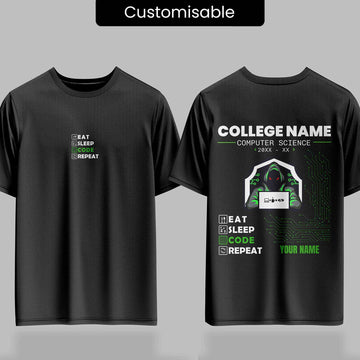
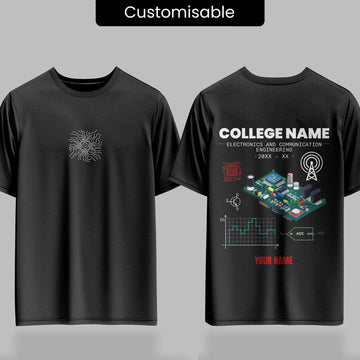
Speaking of building something meaningful — there's something about wearing your campus identity on the road that hits different. A lot of IIT and NIT grads travelling solo still rep their college roots. If you want something worth packing, IIT Bombay merch or the NIT Warangal drop from KS Verse is the kind of gear that actually travels well — especially the 320GSM heavyweight hoodies that handle mountain cold without needing a second layer.
Step 5 — Time Your Trip Strategically (This Alone Saves You 30%)
When you go matters as much as where you go. Off-season travel is the biggest money hack that nobody talks about enough.
- Goa in July instead of December — 40% cheaper hotels, fewer tourists, still beautiful.
- Europe in late October instead of June/July — flights drop by ₹15,000 to ₹25,000 round trip.
- Hill stations in early June, just before peak season — prices haven't spiked yet.
Book flights on Tuesdays or Wednesdays. Use Google Flights' price tracker. Set alerts. A ₹12,000 flight booking on impulse could have been ₹7,500 with one week of patience.
The Mindset Shift That Makes This All Work
Here's the thing nobody tells you at your placement ceremony: your first job salary is probably the smallest you'll ever earn. The habits you build in year one compound for years. Graduates who learn to save with a starting salary of ₹40K save automatically when they're at ₹1.2L. Graduates who lifestyle-inflate at ₹40K are still broke at ₹1.2L.
The solo trip is a proxy for a bigger question — can you delay gratification for something that actually matters to you?
Your batchmates at BITS or IIIT who're posting travel photos six months into their jobs didn't get lucky. They just decided earlier. They stopped treating the trip like a dream and started treating it like a deadline.
What to Pack That You'll Actually Wear (and Won't Regret Buying)
This isn't a packing list blog, but hear this: don't impulse-buy travel gear the week before you leave. It's expensive, low quality, and you'll use it once.
The gear that actually gets used on trips is the stuff you already love wearing — your campus tees, a solid hoodie, comfortable fits that work for a bus ride and a café. The 240GSM oversized tees from KS Verse are the kind of thing you throw on whether you're on a sleeper train to Shimla or exploring a new city. Packs light, looks intentional. If you want to represent your batch on the road, the full campus drops collection is worth a look before you pack.
Your 6-Month Solo Trip Savings Roadmap
- Month 1: Open dedicated trip account, set auto-transfer, audit subscriptions.
- Month 2: Research your destination, set a hard budget number, book nothing yet.
- Month 3: Book flights (earliest booking = best price). Fund should be 35-40% there.
- Month 4: Book accommodation. Research free or low-cost activities. Cut delivery app spend.
- Month 5: Fund at 75-80%. Stop adding to the wishlist, start finalising the plan.
- Month 6: Fund complete. Pack, confirm bookings, inform HR, go.
Six months of intentional saving beats six years of "I'll do it next year." The trip is real. The money is manageable. The only thing standing between you and your first solo story is whether you treat this like a plan or a fantasy.
You debugged code for 8 hours straight before a minor project viva. You can save ₹5,000 a month. Same energy.