



































































































































































































Featured image by Church of the King on Unsplash
You watched your roommate sign an offer letter while you refreshed your email for the fifteenth time. Placement season rejection is one of the rawest, most disorienting experiences in campus life — and nobody really prepares you for it. Not your professors, not your seniors, not even the placement cell's motivational posters.
But here's the thing nobody tells you: some of the sharpest people on any campus have a rejection story. The difference is what they did next.
Why Placement Season Hits Differently Than Any Other Failure
Academics have a retake. Competitions have next editions. But placement season feels final — like a public scoreboard where everyone can see who got picked and who didn't.
That pressure is real. The anxiety of sitting in a pre-placement talk, wearing your cleanest clothes, pretending you're not absolutely terrified — that's not weakness, that's just being human.
The problem isn't the rejection itself. It's the story you start telling yourself immediately after. "I'm not smart enough." "My CGPA killed my chances." "The guy who got placed is just better than me." That narrative spiral? That's where careers actually die — not in the interview room.
The Brutal Audit: What Actually Went Wrong
Before you can fix anything, you need an honest post-mortem. And honesty here means uncomfortable honesty.
Break It Down Into These Categories
- Technical gaps: Were you genuinely underprepared for DSA rounds, core subject interviews, or case studies? Or did you know your stuff but choke under pressure?
- Communication breakdown: Could you articulate your projects clearly? Did your resume tell a compelling story or just list bullet points nobody cared about?
- Target mismatch: Were you applying to roles that genuinely suited your profile, or just spraying applications at every company with a decent package?
- Preparation timeline: Did you start prepping in August when companies were already shortlisting in September? Timing is strategy.
- Interview room presence: Confidence, body language, the way you frame problems — these are skills, not personality traits. They can be built.
Write these down. Physically. A brutal audit on paper is worth more than three motivational YouTube videos.
What Rejection Is Actually Telling You
Rejection from a company isn't a verdict on your worth. It's data. Treat it that way.
If you got rejected after the resume round, your positioning is off. If you cleared HR but failed the technical round, your depth of knowledge needs work. If you made it to the final round and didn't convert — that's actually the closest to success you can get, and it means you're a few adjustments away, not a complete overhaul.
Every rejection has a specific lesson embedded in it. Your job is to extract it, not bury it under a Netflix binge and a plate of mess food.
How to Actually Rebuild After a Tough Placement Season
1. Give Yourself Exactly 72 Hours
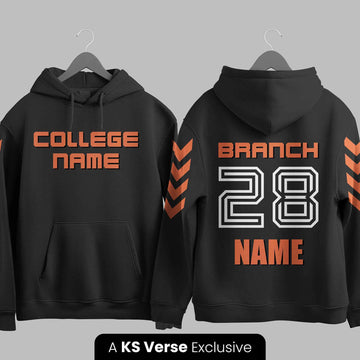
Feel it. Be upset. Vent to your wing. Wear your most comfortable IIT Bombay hoodie and sit with the disappointment for a bit. That's healthy. What's not healthy is making it a permanent identity.
After 72 hours, you pivot. Hard.
2. Rebuild Your Skill Stack With Intention
- Identify your single biggest technical gap and dedicate 45 days to closing it — one gap, not five.
- Practice mock interviews with actual people, not just in your head. Articulation is a muscle.
- Build or revamp one strong project that demonstrates real problem-solving, not just tutorial-following.
- If communication was the issue, join a debate club, a case competition team, or even start recording yourself explaining concepts — sounds cringe, works brilliantly.
3. Reposition Your Resume as a Story, Not a List
Most campus resumes read like a Wikipedia entry — factual, passionless, forgettable. A good resume answers one question: why should I bet on this person?
Quantify everything. "Built a web app" is weak. "Built a web app used by 200+ students in the hostel to track mess schedules" is a story. Small difference, massive impact on shortlists.
4. Expand Your Opportunity Map
Campus placements are one door. Startups, off-campus roles, research positions, PSUs, internship-to-PPO conversions — these are all doors that remain wide open after placement season ends. Students who get fixated on the one door that closed often miss five doors that were always open.
- LinkedIn cold outreach to alumni — it works at a 40-60% response rate when done respectfully and specifically.
- Internship platforms like Internshala, AngelList, and company career pages for off-campus listings.
- Competitive exams like GATE or CAT, if a pivot makes sense for your long-term goals.
- Freelance or open-source contributions that build a portfolio faster than coursework ever will.
The Mental Game: Staying Sane Through the Wait
This part doesn't get talked about enough. The psychological toll of watching batch-mates celebrate while you're still in the queue is brutal. Comparison is the enemy of momentum.
Structure your days like you're already employed somewhere — because you are. You're employed by your future self, and the work is rebuilding.
Routines matter here. Sleep at consistent times. Move your body. Cook something in the hostel common kitchen occasionally. Students who maintain physical and social routines during placement stress consistently perform better in subsequent rounds.
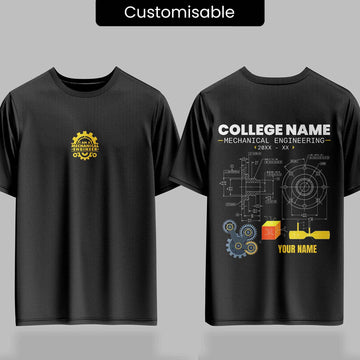
There's something to be said about showing up for yourself even when it's hard — pulling on your NIT Warangal campus tee, heading to the library at 9am even when motivation is zero. Identity-based habits start with the small, visible choices.
What the Students Who Bounced Back Did Differently
Talk to any senior who had a rough placement season and came out on the other side — the pattern is remarkably consistent.
- They didn't isolate. They stayed connected to their hostel networks, their peers, their mentors.
- They picked one direction and committed. No paralysis from too many options. One lane, maximum effort.
- They documented their progress. Journaling, GitHub commits, project logs — visible evidence of momentum kept them going.
- They reframed the timeline. Six months after graduation looked very different than Day 1 of placement season. The urgency that felt life-or-death in November became perspective by March.
Using This Season as Your Unfair Advantage Next Time
Here's the hot take: students who fail their first placement attempt and come back prepared are often more dangerous candidates than those who sailed through the first time.
They know what the pressure feels like. They've done the uncomfortable audit. They've built resilience that shows up differently in interview rooms — calmer, more grounded, less desperate.
That's not a consolation prize. That's a genuine edge.
If you're at BITS or any top-tier campus and you're building toward a second attempt, use this window to do what most students never do: build in public. Write about what you're learning. Document your prep on LinkedIn. Create visibility before the shortlist even opens.
By the time interviews begin again, you won't just be better — you'll be known.
Your Identity Is Not Your Offer Letter
Placement season has a way of making students collapse their entire self-worth into a single data point — whether a company said yes or no.
Your campus, your friendships, your late-night project sprints, the problems you've solved, the person you've become in four years — none of that disappears because one recruiting cycle didn't go your way.
Wear that with pride. Literally. The students who carry themselves with quiet confidence, even through the hard seasons, are the ones worth betting on. There's a reason our campus drops sell out — because campus identity runs deeper than a job title, and the students who understand that tend to figure out everything else too.
The 320GSM heavyweight hoodies and the late nights and the mess food and the friendships — that's the real ROI of campus life. The placement is just one chapter.
Write a better next chapter. You have everything you need.