







































































































































































































Featured image by Church of the King on Unsplash
Your CGPA is 7.8. So is everyone else's in the placement queue. You've got one internship, a couple of coding projects, and a club membership you barely show up for. The recruiter has seen your resume a hundred times — just with different names on it. Campus ambassador programs are the one line on your CV that actually makes them pause, and most students are sleeping on it completely.
What Is a Campus Ambassador Program, Actually?
Strip away the fancy title. A campus ambassador is a student who officially represents a brand, startup, or organization on their campus. You're their eyes, ears, and megaphone inside the college gates.
But here's the part no one tells you: the best campus ambassador programs aren't just about posting on Instagram stories and collecting a stipend. They hand you real responsibilities — event management, sales targets, community building, data reporting. That's a job description, not a college activity.
Why Recruiters Actually Care About This
Placement season is brutal, and everyone sitting across from the interviewer has the same cookie-cutter resume. Campus ambassador experience cuts through that noise for three very specific reasons.
1. It Proves You Can Execute, Not Just Study
Running a campaign in a hostel corridor with zero budget and getting 200 signups? That's execution. Recruiters at consulting firms, FMCG companies, and startups are explicitly hunting for students who've done something — anything — beyond mugging for mid-sems.
2. It's Quantifiable on Your Resume
Vague bullet points kill resumes. But ambassador roles give you numbers to work with.
- Grew campus user base from 40 to 300 in one semester
- Organized 3 on-ground events with 150+ attendees each
- Ranked #2 nationally among 180 campus ambassadors
Numbers talk. Everything else is just text. Admission to a club doesn't give you this. An ambassador program does.
3. It Signals Soft Skills Without You Having to Claim Them
Every student says they have "leadership," "communication," and "teamwork" on their resume. Nobody believes it anymore. But when you say you represented a brand on a campus of 5,000 students, negotiated with vendors for events, and built a WhatsApp community of 400 people from scratch — you've shown it, not claimed it.
The Real Skills You Build (That No Classroom Teaches)
This is where it gets genuinely useful. Good campus ambassador programs are crash courses in the things B-schools charge lakhs to teach.
- Marketing fundamentals: You learn what actually moves people — not textbook frameworks, but real human behavior in your own campus context.
- Sales psychology: Convincing your skeptical hostel-mate to try something new is harder than any mock sales pitch in a seminar hall.
- Project management: Deadlines, deliverables, reporting to a manager who isn't your professor — this is corporate life, just with a college backdrop.
- Networking: You build relationships with brand teams, startup founders, and other ambassadors from IIT Delhi to NIT Trichy — and that network compounds over time.
- Personal branding: You learn how to present yourself, represent values, and own a public-facing identity. That's career gold.
How to Find the Right Campus Ambassador Program
Not all of them are worth your time. Some are just free labor disguised as "opportunities." Here's how to filter the good from the garbage.
Green Flags to Look For
- A clear onboarding process with actual training material
- Performance-based incentives, not just flat referral codes
- A dedicated point of contact who actually replies
- Certificate of completion that mentions your specific achievements
- A leaderboard or ranking system — competition means accountability
Red Flags to Dodge
- "Just share this link and earn per signup" — that's affiliate marketing, not ambassadorship
- No structured timeline or program milestones
- Zero brand identity or credibility — if they can't explain what they do in two sentences, walk away
- Pure social media posting with no offline component — low impact, low learning
Where Students at IITs, NITs, and BITS Are Finding These Opportunities
The honest answer? LinkedIn, your college's official notice boards, and word of mouth from seniors. But the real alpha is proactively reaching out to brands you already use and love — not waiting for an application link to land in a Telegram group.
Students at BITS Pilani and IIT Bombay are already doing this — identifying brands with a campus presence and pitching themselves directly. It's a cold outreach skill that itself becomes a story in your interview.
Some of the most active ambassador communities right now exist around EdTech platforms, fintech apps, D2C brands, and campus-first lifestyle brands. The categories that work best are ones where you're actually the target user — because authenticity is the only currency that works on campus.
How to Make It Placement-Ready on Your Resume
Getting the role is step one. Packaging it is where most students drop the ball. Here's the exact formula that works.
- Title it properly: "Campus Brand Ambassador" not "Student Representative" — the former is searchable and recognized.
- Add your institution name: Representing a brand at IIIT Hyderabad or NIT Warangal carries institutional weight. Use it.
- Lead with numbers: Events organized, community size, revenue generated, rank on leaderboard — pick your best metric and put it in the first bullet.
- Name the skills: Event management, community growth, B2C marketing, stakeholder communication. Map it to what the job description asks for.
- Mention any awards or recognition: "Top 5 Ambassador nationally" is a headline, not a footnote.
The KS Verse Angle: We Do This Differently
Full transparency — KS Verse runs a campus ambassador program, and it's built around the same idea this entire blog is making: real experience over empty titles.
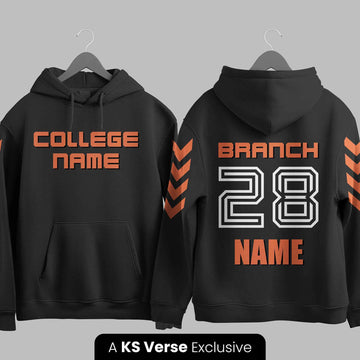
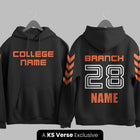
Our ambassadors don't just drop referral codes. They're involved in campus drops, community feedback, and on-ground presence — the kind of work you'd wear a campus drop hoodie to, not a formal shirt. Speaking of which, our 320GSM heavyweight hoodies and Campus Legend tier pieces are what most of our ambassadors are spotted in anyway — because when you represent a brand you actually believe in, it shows up in how you carry yourself.
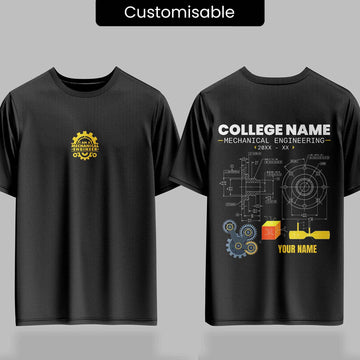
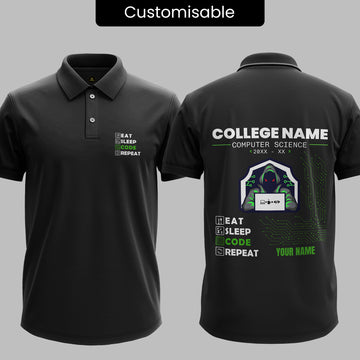
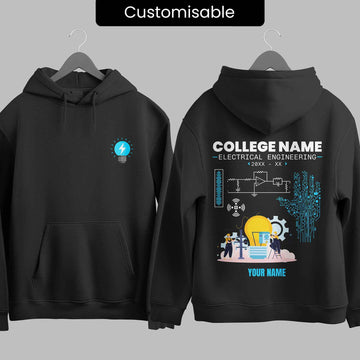
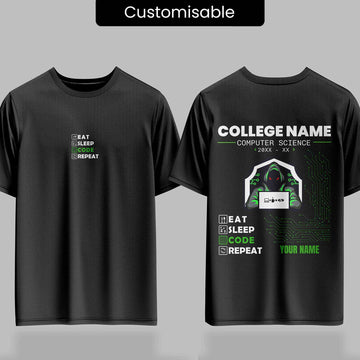
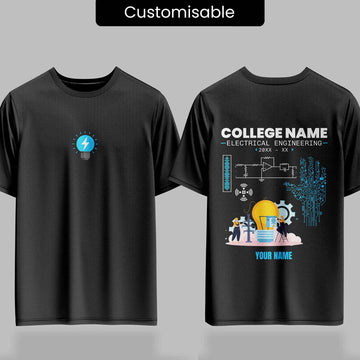
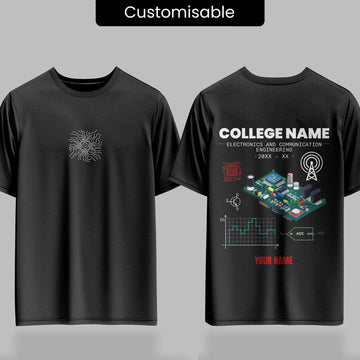
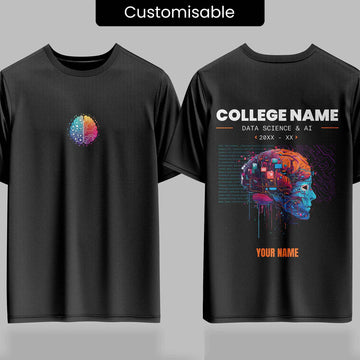
Our Batch Nexus customizable merch line actually started from ambassador feedback. That's not a marketing line — that's what happens when you give students real ownership instead of treating them like unpaid interns with a social media quota.
If you're an engineering or medical student who wants to build something tangible while still surviving your 240GSM-oversized-tee-and-3AM-deadline lifestyle, this is worth looking into.
The Bottom Line: Stop Leaving This Off Your Resume
Campus ambassador programs are one of the most underrated resume boosters in the Indian college ecosystem. While your batchmates are padding CVs with certificates from webinars they attended for ten minutes, you could have six months of real marketing, sales, and leadership experience — with numbers to back it up.
The placement season doesn't care about effort. It cares about proof. Campus ambassador programs are proof you can operate in the real world before you've even left college.
Pick one. Apply seriously. Execute like it's your first internship. Because for the recruiter reading your resume — it basically is.