


































































































































































































Featured image by jaikishan patel on Unsplash
You've studied the entire DSA sheet. You know your DBMS, your OS, your system design basics. Then the interviewer asks you to introduce yourself — and your brain just whites out. That's not a knowledge problem. That's a practice problem. And it's exactly why mock interviews and mock tests exist.
The students who crack Day 1 placements aren't necessarily the smartest in the room. They're the ones who've already failed 20 times in practice before the real thing.
What Mock Tests and Mock Interviews Actually Do to Your Brain
Think of it as muscle memory, but for your prefrontal cortex. Every time you sit through a timed mock test, you're training your brain to perform under pressure instead of collapsing under it.
The anxiety you feel before a real placement round? It doesn't disappear. But when you've already felt it 30 times during mock tests, it stops being paralyzing. It just becomes Tuesday.
The Science Behind It (Without the Textbook Bore)
- Retrieval practice effect: Testing yourself on material forces deeper encoding than passive revision. Reading your notes once is weak. Attempting a mock paper is 3x more effective for retention.
- Desensitization: Repeated exposure to stressful scenarios (mock HR rounds, coding contests, aptitude tests) literally reduces your cortisol response over time.
- Error analysis: Mock tests show you exactly where you're bleeding marks — before it counts.
Mock Tests: The Unglamorous Grind That Actually Pays Off
Nobody talks about how boring mock tests are. You sit in your hostel room at 10 PM, laptop fan screaming, attempting a 90-minute aptitude paper for a company you may not even want to join. But this is the work that separates the offer-holders from the almost-there crowd.
How to Actually Run a Mock Test (Not Just Attempt One)
- Simulate real conditions: No phone. Timer on. Sit at a desk, not your bed. Your brain needs to associate this setup with performance mode.
- Attempt full papers, not just sections: Doing only quant and skipping verbal is like training for a marathon but only running the first 10K.
- Review every wrong answer: The test itself is worth 20% of the value. The analysis after is worth 80%.
- Track patterns over time: If you're consistently losing marks in logical reasoning, that's not bad luck — that's a gap to close.
- Use company-specific mocks: TCS NQT, Infosys InfyTQ, Wipro NLTH — each has a pattern. Don't walk in blind.
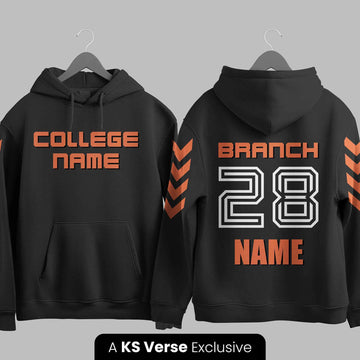
The students grinding through these tests in their NIT Warangal hoodies at 2 AM aren't suffering. They're building a lead nobody can see yet.
Mock Interviews: The Part Everyone Avoids and Everyone Needs
Here's the brutal truth — most students practice coding but never once sit through a full mock interview before their first real one. Then they wonder why they fumbled a problem they actually knew how to solve.
Coding on paper with someone watching you is a completely different skill than coding alone on LeetCode. You have to think out loud. You have to handle silence. You have to ask clarifying questions without seeming clueless.
Types of Mock Interviews You Need to Do Before Placement Season
- Technical mock interviews: DSA problems with a peer or senior watching. They should interrupt you, give hints, and ask you to explain your approach mid-solution.
- HR mock interviews: Yes, HR rounds get you rejected too. Practice your "tell me about yourself" until it's smooth, not rehearsed-sounding.
- System design mocks: If you're targeting product companies or SDE-2 roles, this is non-negotiable. Practice designing Instagram, WhatsApp, URL shorteners.
- Group discussion mocks: Some companies still run GDs. Practice holding a structured point, not just talking loudly.
Where to Find Mock Interview Partners
- Your own placement cell — most IITs, NITs, and BITS have structured mock interview programs. Use them.
- Seniors from your department who've already placed — buy them a coffee, they'll give you 45 minutes.
- Platforms like Pramp, Interviewing.io, or even LinkedIn cold messages to alumni.
- Peer groups — form a 4-person circle and rotate as interviewer and interviewee weekly.
The batch that goes into placements from IIT Delhi or BITS Pilani with 20+ mock interviews under their belt walks differently. Not arrogant — just grounded. They've already felt the worst version of the pressure.
Building a Mock Interview and Mock Test Schedule That Doesn't Burn You Out
The mistake everyone makes: cramming all practice into the two weeks before placement season. By then you're exhausted, and there's no time to fix the gaps you find.
Start 4-5 months out. Make it a weekly ritual, not a panic response.
A Realistic Weekly Practice Framework
- Monday + Wednesday: One timed mock aptitude test per week. 90 minutes, full paper, no distractions.
- Tuesday + Thursday: 2-3 LeetCode problems under self-imposed time pressure (45 min per medium problem).
- Friday: One mock technical interview with a peer. Rotate roles each week.
- Sunday: Review all errors from the week. Update your mistake log. This is where the actual learning happens.
Do this for 16 weeks and you've done 16 full mock tests, 64 timed coding problems, and 16 mock interviews before a single real placement test. That's a completely different animal walking into Day 1.
The Psychology of Panicking in Exams (And How Practice Kills It)
Panic in tests isn't weakness. It's your brain misreading an unfamiliar high-stakes situation as a physical threat. The cure isn't to calm down — it's to make the situation familiar.
When you've taken 20 mock tests in conditions that mirror the real thing, your brain stops flagging the exam environment as dangerous. It recognizes it. And recognition breeds control.
Students who've done the reps show up to their CGPA-critical mid-sems or their Day 1 placement drive wearing their IIT Bombay hoodie like it's just another Tuesday — because for them, it genuinely is.
One Thing Most Students Get Wrong About Mock Practice
They treat mock tests as performance checkpoints instead of learning tools. If you're doing a mock test to see how good you already are, you're using it wrong.
A mock test is most valuable when you're not ready for it yet. The gaps it exposes are the exact gaps you need to fix. Failing a mock test in October is a gift. Failing a real one in January is a consequence.
The Post-Mock Debrief Ritual (Non-Negotiable)
- Write down every question you got wrong and why — not just the right answer, but the reasoning gap.
- Identify if errors were conceptual (you didn't know it), careless (you knew but rushed), or strategic (you ran out of time).
- Each type of error needs a different fix. Treating all mistakes the same is why most students plateau.
Campus Culture Around Mock Prep: What the Top Performers Actually Do
At every campus — whether it's IIIT Hyderabad or NIT Trichy — the students who land the best offers have one thing in common: they built a practice ecosystem around themselves early.
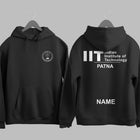
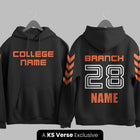
They're in WhatsApp groups sharing mock papers. They're the ones scheduling bi-weekly mock interviews with seniors. On late nights when the hostel corridors are quiet, they're running timed sets in their 320GSM heavyweight hoodies from KS Verse — not because it's glamorous, but because the reps are what matter.
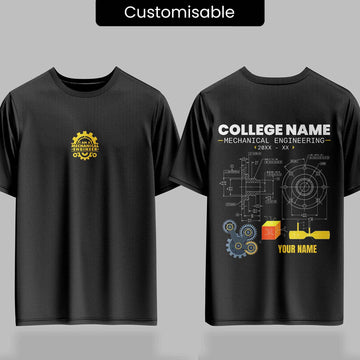
The 240GSM oversized tees and Campus Legend hoodies aren't just merch — they're what you wear when you've decided to take your campus years seriously. When showing up is the move.
Final Word: Panic Is Just Practice Debt
Every time you skipped a mock test, deferred a mock interview, or told yourself you'd start next week — you were borrowing from your future calm. Panic on exam day is just practice debt coming due.
The fix isn't complicated. It's just unsexy. Show up, attempt the mock, review the gaps, repeat. Do it enough times and the real thing stops feeling real — it just feels like another rep.
And when you finally walk into that placement drive calm, prepared, and wearing your campus identity on your sleeve — that's not luck. That's what 16 weeks of mock interviews and mock tests actually looks like.