








































































































































































































Featured image by Sanket Mishra on Unsplash
Motivation is a lie your brain tells you at 11 PM the night before a deadline. Building discipline is the only thing that actually keeps you going when the dopamine crash hits and your hostel room feels like a very expensive cave you never leave.
Every semester starts the same way. Day one energy is unmatched — new notebook, new goals, maybe even a color-coded timetable. By week three, that timetable is under a pile of Maggi cups and you're wondering why you chose this branch.
Here's the truth nobody at your orientation told you: motivation runs out. Every single time. Discipline is what you build to replace it.
Why Motivation Fails Every College Student Eventually
Motivation is emotion-driven. It spikes when you watch a productivity video at 2 AM or hear about someone's placement package. Then it evaporates the moment your alarm goes off at 7 for that 8 AM lecture.
The problem isn't you. It's that you've been sold the idea that wanting something hard enough is sufficient. It isn't.
- Motivation depends on your mood — and your mood is controlled by sleep debt, mess food, and whether your Wi-Fi is working.
- Motivation is reactive — it shows up after a result, not before the effort required to get there.
- Motivation fades under pressure — mid-sems, vivas, and lab submissions will always hit at the same time, and no amount of inspiration survives that collision.
Building discipline means removing the need for motivation entirely. You show up not because you feel like it, but because the system you've built leaves no room for a choice.
The Identity Shift: Stop Being Motivated, Start Being Consistent
The most underrated mindset shift in college is moving from "I want to study" to "I am someone who studies." Sounds small. Changes everything.
Identity-based discipline means your actions are no longer negotiable — they're just who you are. The student who hits the gym at 6 AM doesn't debate it every morning. It's already decided.
How to Actually Make This Shift
- Pick one non-negotiable daily action — one thing you do regardless of mood, workload, or how your last lab practical went.
- Start embarrassingly small. Fifteen minutes of focused study beats zero hours of "I'll start after this one episode."
- Stack it onto something you already do — after breakfast, after chai, after your floor's nightly chaos settles.
- Track streaks, not outcomes. A 30-day streak of showing up matters more than one all-nighter that tanks your sleep for a week.
Discipline Looks Different in a Hostel — Here's What Actually Works
Hostel life is the world's most chaotic test of self-regulation. You live with 300 other people who have wildly different schedules, no one controls the noise, and every room is three steps from a distraction.
Generic productivity advice doesn't survive hostel conditions. Here's what does.
Control Your Environment First
- Your room should signal work or rest — not both. If you study on your bed, your brain stops treating it as a rest zone. Get a chair. Use the library. Create a context switch.
- Keep your desk clear the night before. Waking up to a clean setup removes one micro-decision that your tired brain will use as an excuse.
- Headphones are your most important academic tool. Noise-cancelling or even basic earbuds with brown noise will do more for your focus than any app.
Protect Your Morning — Even If It's 10 AM
Not everyone is a 5 AM person and that's completely fine. But the first 90 minutes of your day set the tone for everything after it.
- Avoid your phone for the first 30 minutes after waking. Yes, this means no Instagram, no WhatsApp group chaos, no doomscrolling the placement season updates.
- Eat something. Mess food is questionable but skipping breakfast entirely is how you end up crashing by noon.
- Do the hardest task first — the assignment you've been avoiding, the concept you don't understand, the email you need to send. Get it out of the way before the day's entropy takes over.
Discipline During Placement Season: When the Pressure Is Actually Real
Placement season separates students who built systems from students who relied on bursts of panic energy. If your entire prep strategy is "I'll grind when companies start coming," you're already behind.
The students who walk into interviews calm aren't necessarily smarter. They're more disciplined. They did 10 DSA problems a day for six months while everyone else was planning to start next week.
- Break prep into daily, unsexy minimums — not marathon sessions that you can't sustain.
- Treat your prep schedule like a class you can't bunk. It's in your calendar. It happens.
- Find one accountability partner who's equally serious. Not a group chat. One person who will actually check in.
Students prepping through late nights and long library sessions at IIT Delhi or grinding DSA rounds at NIT Trichy know this grind firsthand — discipline isn't glamorous, but it shows up in your offer letter.
The Role of Rest in Building Discipline (This Part Gets Skipped Too Often)
Discipline isn't about suffering. It's about sustainability. A system you can't maintain for six months isn't a system — it's a sprint that ends in burnout.
- Schedule actual downtime. Not "I'll rest when I finish everything" — that day doesn't come in college.
- One full off-day per week makes the other six more productive. This is not laziness. It's recovery.
- Sleep is the single most powerful cognitive performance tool available to you. No supplement, no cold shower routine, and no motivational video replaces eight hours.
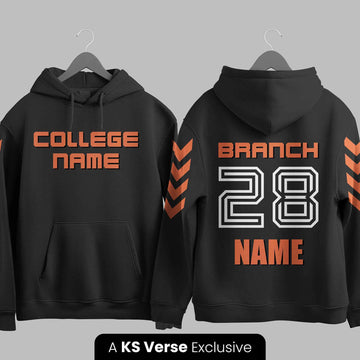
Even the way you dress on your off-days matters for your headspace. There's a reason students who throw on a solid 320GSM heavyweight KS Verse hoodie and step out for a walk feel more reset than the ones who stay in pajamas all day — your physical state signals your mental state.
Build Discipline That Looks Like You
Here's what most productivity content misses: discipline has to fit your actual life, not a Pinterest-perfect version of it.
If you're a night person, build a night system. If you work better in two-hour blocks than Pomodoro sessions, do that. If you need to study with lo-fi hip-hop and your roommate needs silence, figure out the schedule that gives both of you what you need.
The BITS Pilani student grinding at 2 AM in their dorm has a completely different rhythm than the AIIMS student managing clinical rotations and theory simultaneously. Check out what BITS students are repping or how AIIMS students stay grounded through the chaos of their respective campuses — discipline looks different in every context, and that's the point.
Your system needs to work for your campus, your schedule, and your goals.
One Framework That Consistently Works Across Campuses
- Anchor habit: One non-negotiable daily action tied to your biggest goal.
- Time block: A fixed window that belongs to deep work, not to notifications or hallway conversations.
- Weekly review: Every Sunday, spend 20 minutes asking what worked, what didn't, and what you're adjusting. Not journaling — just honest assessment.
- Identity reinforcement: Small symbols matter. Your space, your gear, your routine — they all signal to your brain what kind of person you're committed to being.
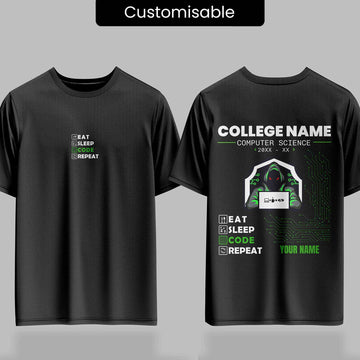
That last point is why students who invest in their campus identity — whether it's a KS Verse Batch Nexus customizable hoodie with their college name on it or an oversized 240GSM campus tee they actually feel good wearing — aren't just flexing. They're reinforcing who they are and where they're headed.
If you're looking to rep your campus while you build the life you're working toward, explore the full campus drops across every college — because discipline hits different when you look the part too.
The Bottom Line on Building Discipline
Motivation will abandon you at the worst possible time. It always does. Building discipline is the only reliable alternative — and the good news is that it's a skill, not a personality trait.
You don't need to want it every day. You just need a system that runs even when you don't.
Start with one habit. Protect one hour. Show up on the days you don't feel like it. That's the whole formula. The rest follows.